June 8, 2026
Reclaiming the Lens: A Dominican Film Guide for Caribbean Heritage Month
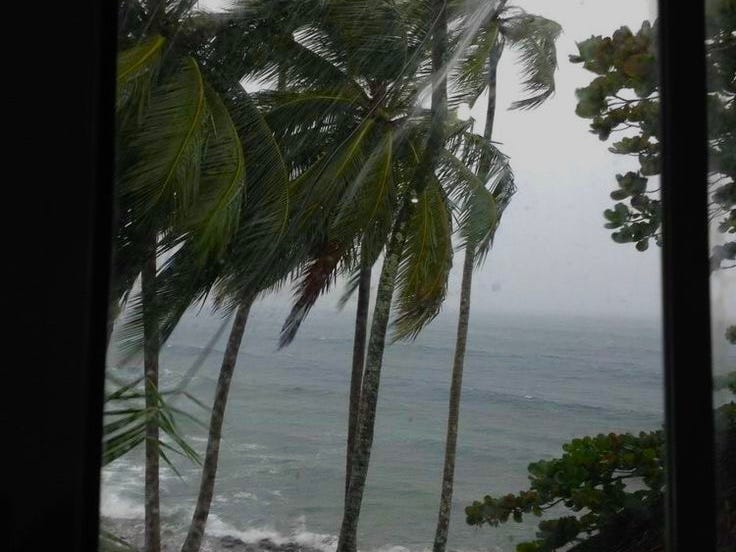
Growing up Dominican in Washington Heights, you learn early on that mainstream media doesn’t really know what to do with our culture. Every June, the movie recommendations rolled out for Caribbean Heritage Month feel like they were curated by a generic travel agency. They overlook the raw, fast-talking, hyper-local energy of the neighborhood and the incredible, complex cinematic history tied to our community.
The truth is, Dominican storytelling has always been forced to hustle against an outside gaze. For decades, international directors treated the island as a convenient, exotic playground, flattening our gorgeous coastlines into a cheap backdrop for foreign monster flicks, voodoo thrillers, and shark movies. But the real magic happens when our own people step behind the camera. There is an incredible, unbroken thread connecting the gritty independent films shot on the pavement of New York City to the psychological horror and folklore reclaims happening on the island today.
As a NYC Dominican and a massive genre nerd, I wanted to build a watchlist that actually reflects that duality. This isn’t a list of Hollywood travelogues; it is a map of how we are taking back our own narrative.
Neighborhood Hustle and NYC Diaspora
Our cinematic identity starts right on the hot concrete of New York City. To understand the grit of these movies, you have to understand how we got here. While a small wave of Dominicans arrived in NYC in the mid-1960s, the real defining shift happened in the 1980s. Driven by severe economic crises on the island, a massive influx of working-class families poured into the city. They took over a rapidly changing, affordable urban landscape and transformed Washington Heights into Quisqueya on the Hudson: the undisputed capital of the diaspora. We remade the blocks in our own image, filling the streets with the slap of dominoes, the rhythm of bachata, and a relentless street-level hustle. Independent filmmakers have spent decades capturing this exact energy, tracking the survival instincts and raw romance of the community.
In the Heights (2021) - dir. Jon M. Chu
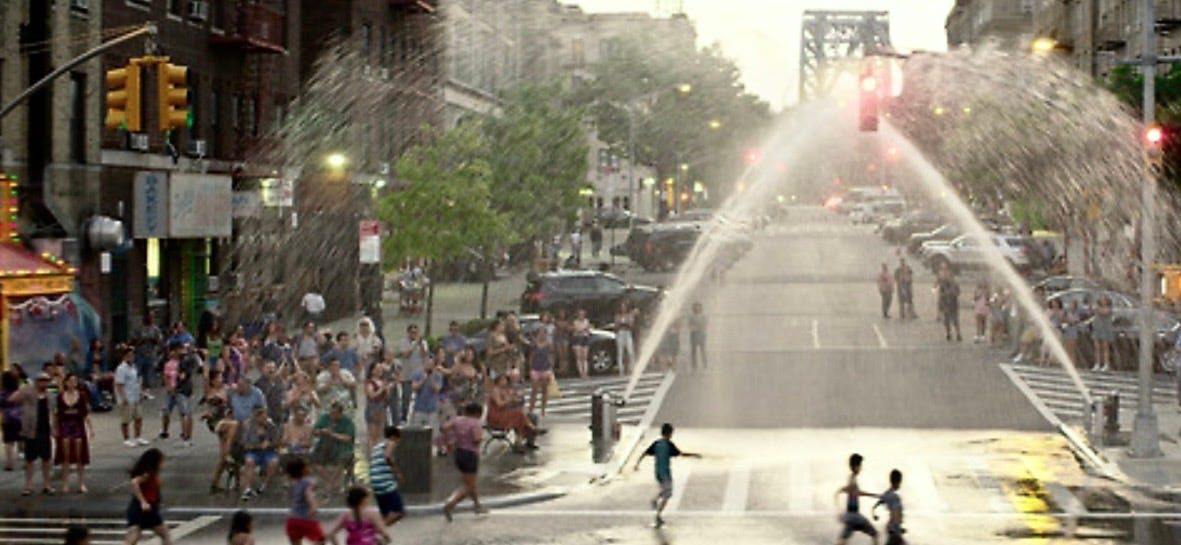
This is the ultimate, hyper-colorful celebration of Washington Heights as the capital and geographical heart of the diaspora. It directly addresses the concept of sueñitos (little dreams), the daily economic hustle of keeping local family businesses alive, and the constant cultural pull of eventually returning to the island.
Vampires vs. the Bronx (2020) - dir. Oz Rodríguez
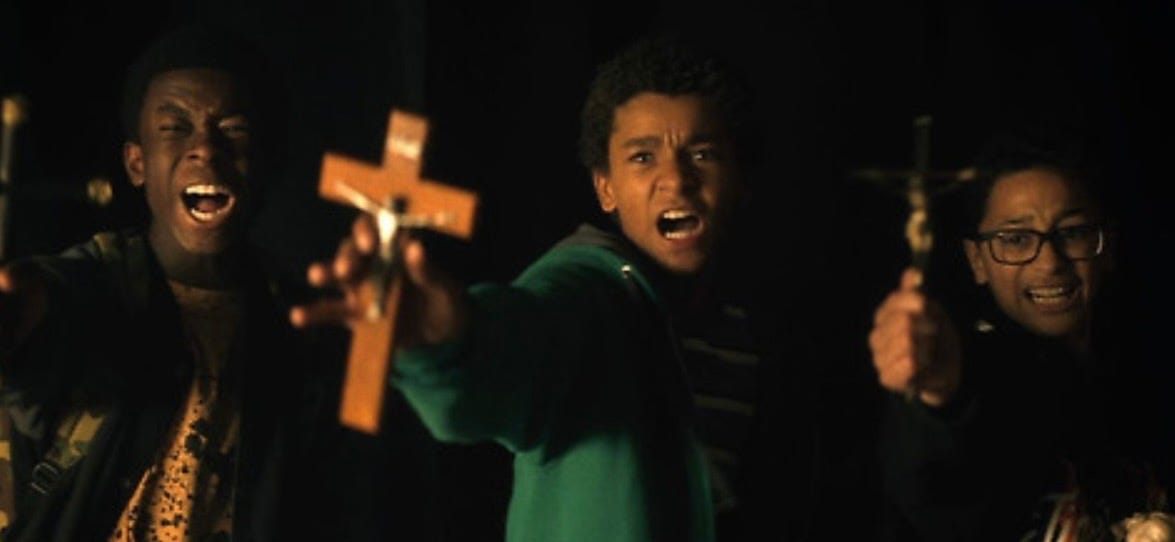
Demonstrates how the modern diaspora uses genre filmmaking to discuss real-world issues. By pairing classic '80s horror-comedy tropes with sharp Dominican humor, literal, blood-sucking monsters serve as a direct metaphor for the threat of neighborhood gentrification.
Raising Victor Vargas (2002) - dir. Peter Sollett
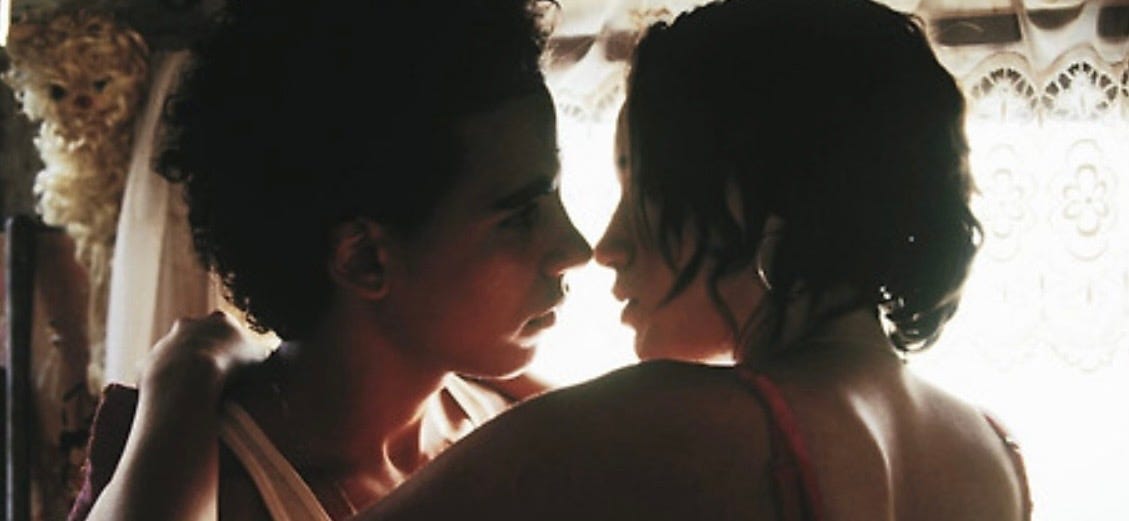
This narrative captures the authentic texture of Dominican-American youth culture during a sweltering New York summer without a glossy Hollywood filter. It anchors the list in independent, low-fi realism, focusing on teenage ego, neighborhood dating dynamics, and the fierce matriarchal structure of a traditional household.
Mad Bills to Pay [Destiny, dile que no soy malo] (2026) - dir. Joel Alfonso Vargas
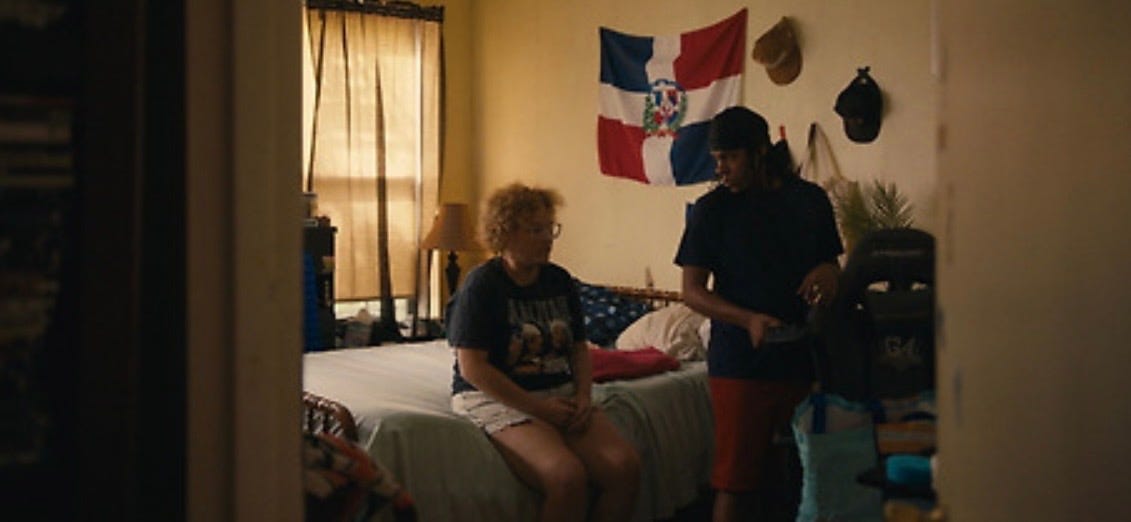
Tracking a young guy selling homemade "Nutcracker" cocktails on the Orchard Beach boardwalk, this indie darling captures raw diaspora realism.
Tracking Update: I've been keeping close tabs on this one since its major festival run. It originally broke out at the 2025 Sundance Film Festival, where it took home the NEXT Special Jury Award for Ensemble Cast, before heading to the Berlin International Film Festival. Oscilloscope Laboratories picked it up for distribution, and it hit theaters this past spring, including a run right here at Film Forum. It's been making waves at regional festivals like SIFF, and I'm eagerly waiting for it to land on digital platforms so I can finally catch it.
The Island Bridge & Comedy Blueprint
In the Dominican Republic, cinema as a commercial industry was practically built on the back of humor Dominicano. Local comedies became massive box-office successes because they provided a communal release valve. Homegrown directors took the fast-talking wit, sharp-tongued banter, and daily economic absurdities of island life and put them directly on screen. These films established a critical cinematic bridge, connecting the anxieties of leaving the island with the harsh realities of staying behind to hustle in tourist-dominated beach towns. They proved that beneath the laugh-out-loud physical comedy and slapstick antics lies a foundational layer of social commentary about class, migration, and survival.
Nueba Yol: ¡Por fin llegó Balbuena! (1995) - dir. Ángel Muñiz
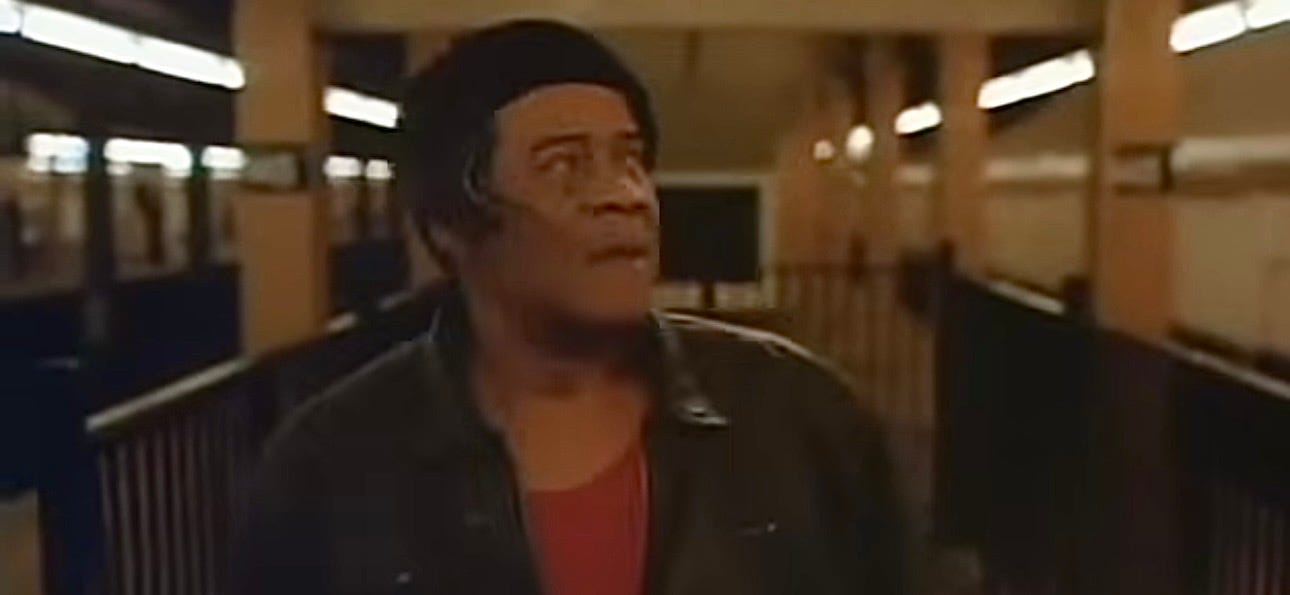
Serving as the literal blueprint for modern Dominican commercial cinema, this follows the tragicomic journey of an immigrant leaving Santo Domingo for the freezing, tough streets of 1990s New York, illustrating the financial sacrifices and emotional displacement of the immigrant experience.
Sanky Panky (2007) - dir. José Enrique Pintor
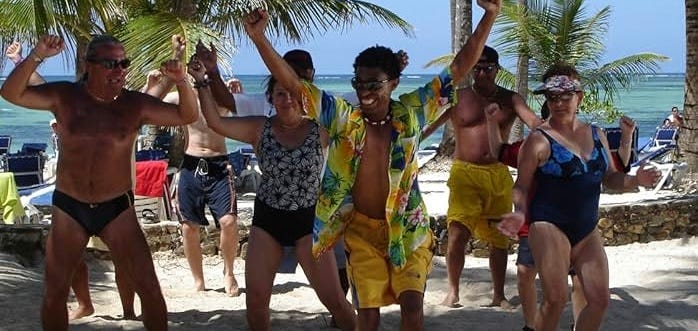
Provides an excellent look at how local comedy tackles economic disparity. While relying on relentless, fast-paced physical humor, it acts as a sharp critique of resort-town tourism, exploring the transactional relationships between foreign visitors and local youths willing to go to extreme lengths for a visa.
Colao (2017) - dir. Frank Perozo

Using the central metaphor of traditional Dominican coffee (café colao), this film highlights the modern clash between rural traditions and capital-city Santo Domingo life, relying on beloved local comedic timing to bridge the gap between island heritage and urban evolution.
Tropical Dread: The Island as an Outside Backdrop
While local filmmakers were busy building a comedy empire, international productions were looking at the Dominican Republic through a completely different lens. The island’s incredibly striking geography, dense jungles, colonial ruins, and vast coastlines have long made it a prime target for foreign studios looking for a cheap, exotic location. Historically, Hollywood and European directors have been obsessed with turning our tropical homeland into an inescapable, atmospheric trap. Instead of engaging with the actual people or culture, foreign horror cinema flattened our landscapes into a convenient, chameleon playground to mirror Western anxieties. Our rivers and oceans became infested with monsters, our countryside became a breeding ground for supernatural plagues, and our land was treated as nothing more than a highly high-tech studio lot designed to manufacture terror for outside audiences.
Old (2021) - dir. M. Night Shyamalan
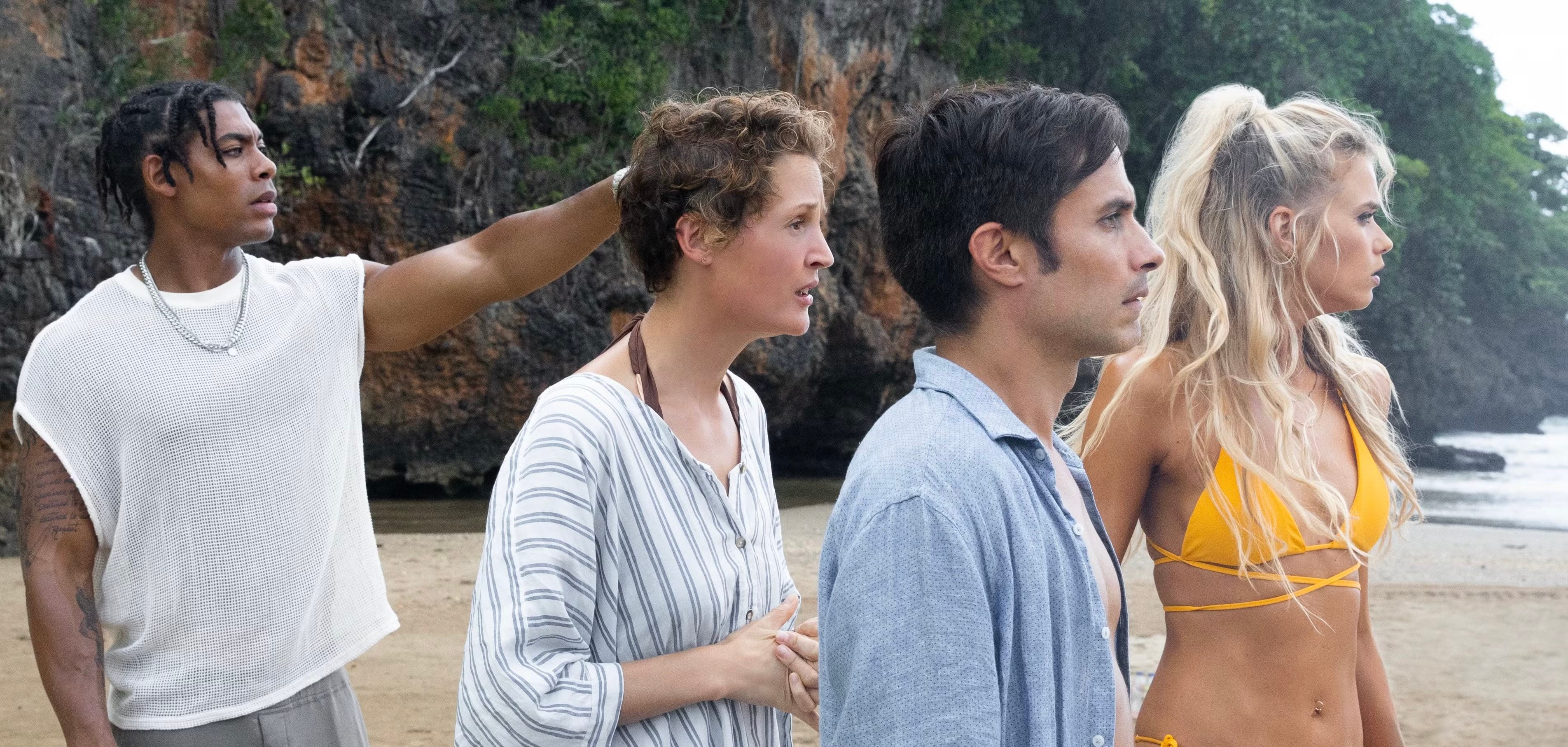
Filmed primarily on the isolated Playa El Valle beach in Samaná, the island’s striking geography is weaponized into an atmospheric, inescapable prison where a beach rapidly accelerates aging, transforming a pristine Caribbean landscape into a nightmare of biological distortion.
The Serpent and the Rainbow (1988) - dir. Wes Craven
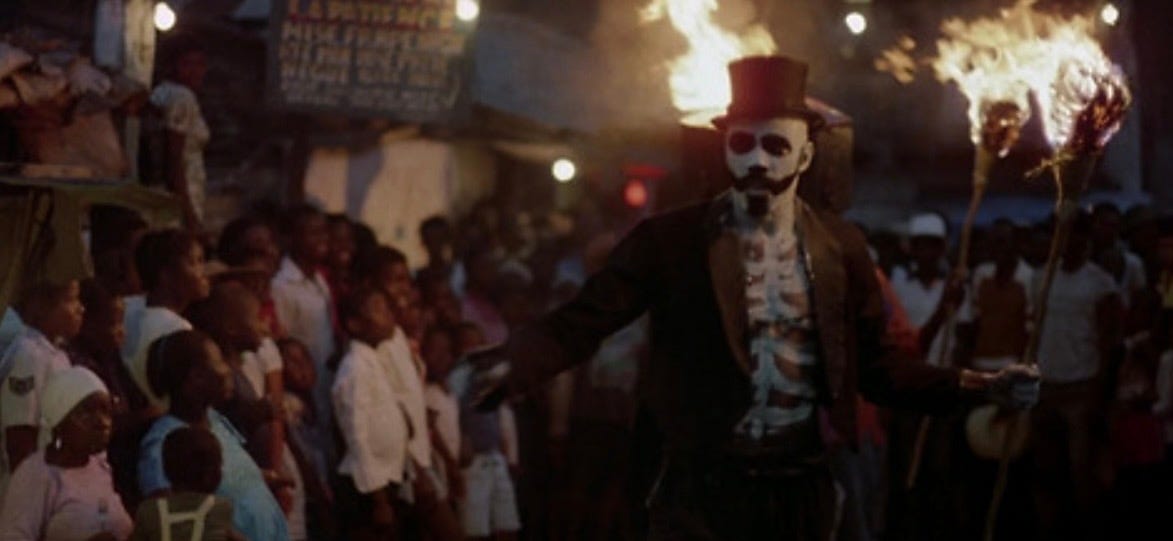
Master horror director Wes Craven utilized Santo Domingo's colonial architecture and humid, natural backdrops to stand in for Haiti, turning the local Caribbean geography into an atmospheric manifestation of supernatural dread. The film explicitly purports to investigate the "real" science behind Haitian and regional zombification folklore: the use of tetrodotoxin powders by spiritual practitioners to simulate death. However, by funneling this sacred Hispaniola lore through the perspective of a white American ethnobotanist protagonist, Craven ultimately turns the local Caribbean geography into an exoticized, atmospheric manifestation of supernatural dread and political chaos designed for Western consumption.
Zombi 2 (1979) - dir. Lucio Fulci
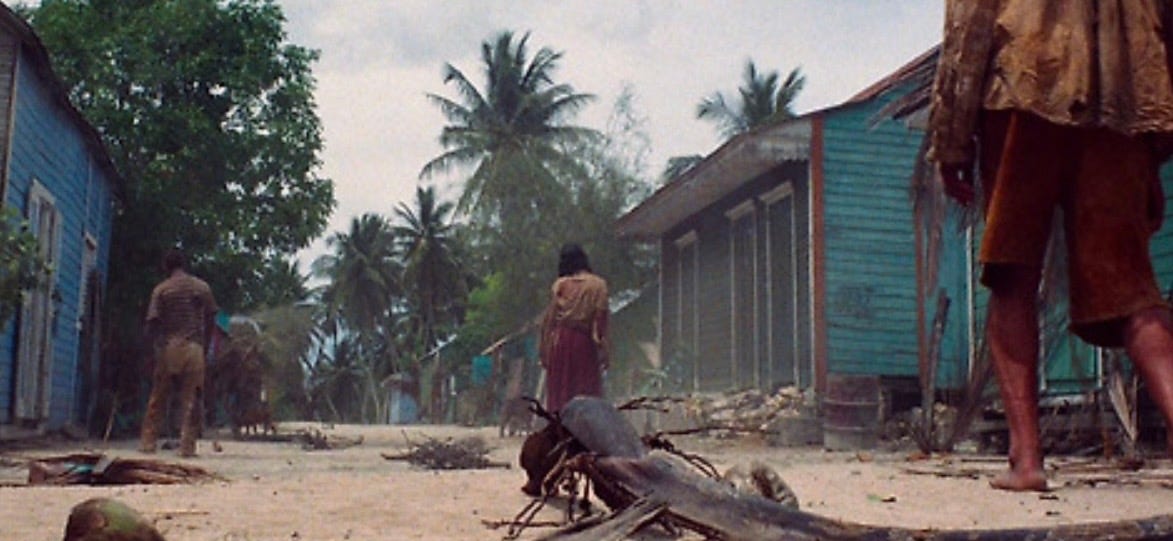
Italian gore-master Lucio Fulci utilized the heavy atmosphere and lush rural terrains of the island to project foreign fears. By setting his narrative on the fictional Caribbean island of Matool, Fulci directly co-opted the regional folklore of ancestral island curses to brew a decaying, supernatural zombie plague. He completely divorced the concept from its historical, anti-slavery roots in Haitian Vodou and Dominican 21 Divisiones, turning a profound regional metaphor for stolen autonomy into a stomach-churning B-movie spectacle long before local infrastructure existed to counter the outside lens.
Sharks, Creature Features, and Open-Water Horrors
Beyond general tropical dread, the Dominican Republic has quietly become the global epicenter for industrial monster movies and open-water survival films. Thanks to the massive, state of the art 8 acre open-water horizon tank at Pinewood Dominican Republic Studios in San Pedro de Macorís, foreign filmmakers flock to the island to simulate the terrors of the deep. But this tradition isn't entirely new; European exploitation directors were utilizing the island's murky inland waters decades ago to harvest creature features. Whether through B-movie schlock or modern, big-budget survival thrillers, our geographic waters have been consistently isolated by international productions as a canvas for high-concept predator attacks.
47 Meters Down (2017) & 47 Meters Down: Uncaged (2019) - dir. Johannes Roberts
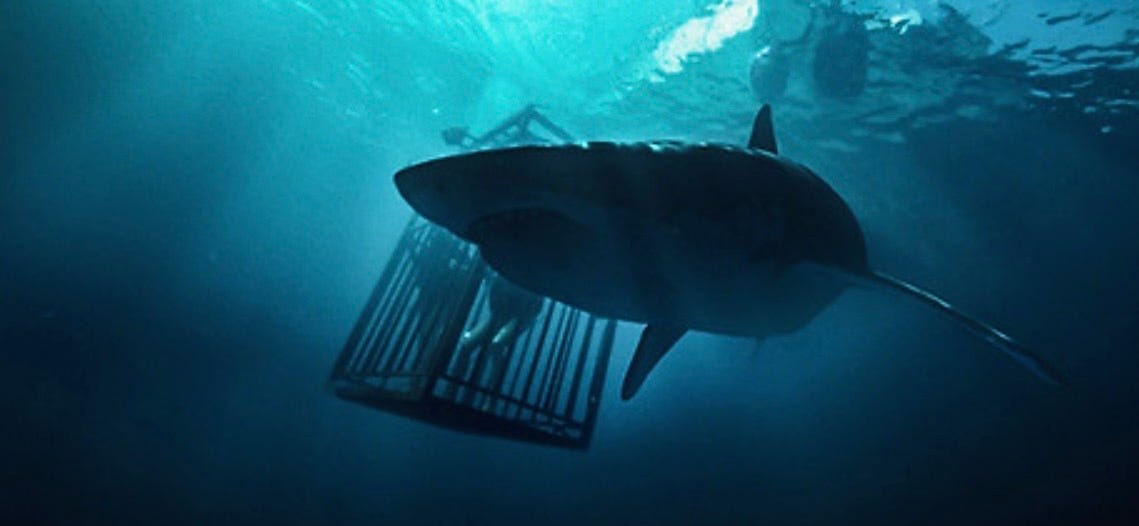
Both films relied heavily on the specialized deep-water filming infrastructure of the island to trap characters in underwater cages and subterranean Mayan caves, isolating the Caribbean ecosystem as a vacuum of pure primal panic.
Something in the Water (2024) - dir. Hayley Easton Street
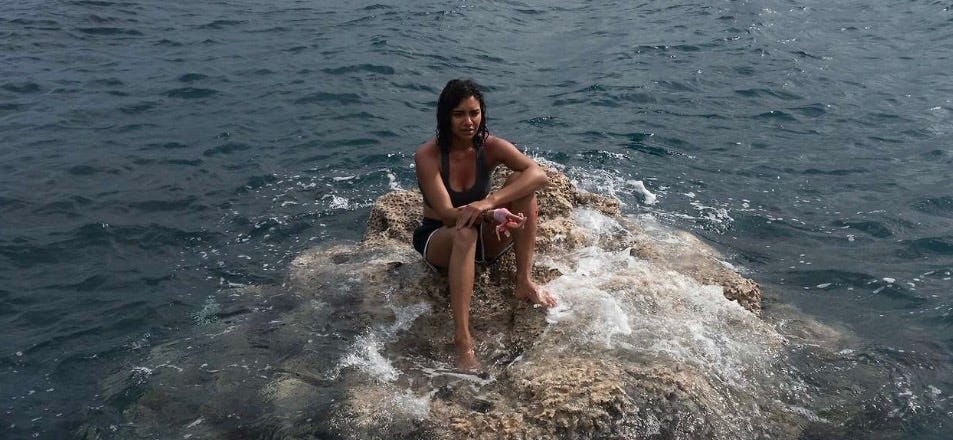
Following a destination wedding that devolves into an open-ocean nightmare, this film leverages the island's Horizon Tank to simulate the boundless, terrifying emptiness of the Atlantic Ocean, proving the Dominican Republic is still the reigning capital of cinematic open-water terror.
The Black Demon (2023) - dir. Adrian Grünberg
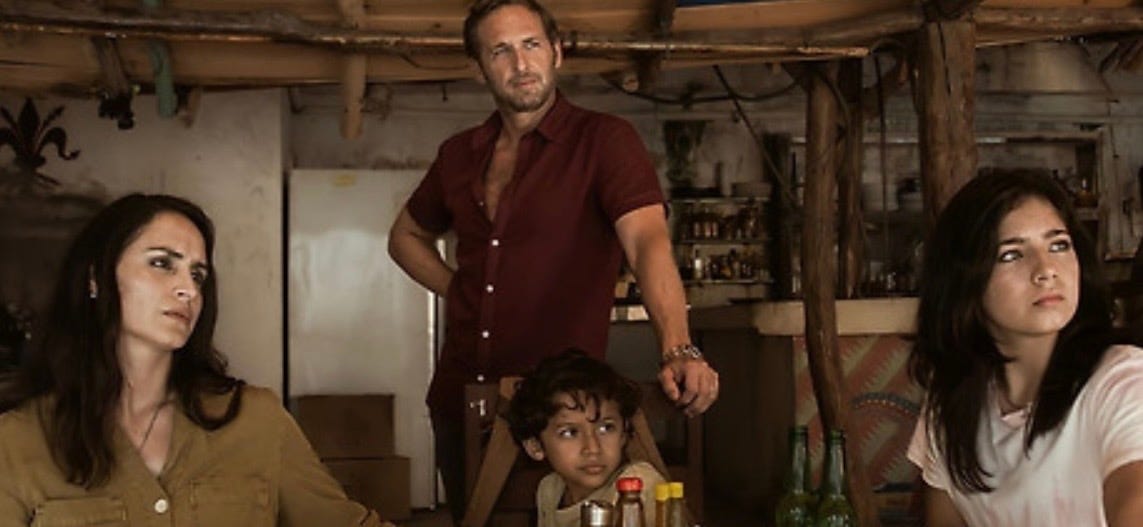
This modern monster movie tracks an offshore oil rig under siege by a legendary giant shark. It uses local Dominican filming tanks to recreate the deep waters of Baja California, treating our maritime resources as a highly high-tech backdrop for high-stakes survival. The production utilized the DR as a central hub to foster a highly authentic, cross-cultural, Spanish-speaking filmmaking environment. According to lead actor Josh Lucas, the film consciously avoided the standard Hollywood formula by assembling a massive collective of talent from across Latin America and the Caribbean, including filmmakers, crew members, and actors from Mexico, Chile, Colombia, Puerto Rico, and the Dominican Republic itself.
Killer Crocodile (1989) - dir. Fabrizio De Angelis
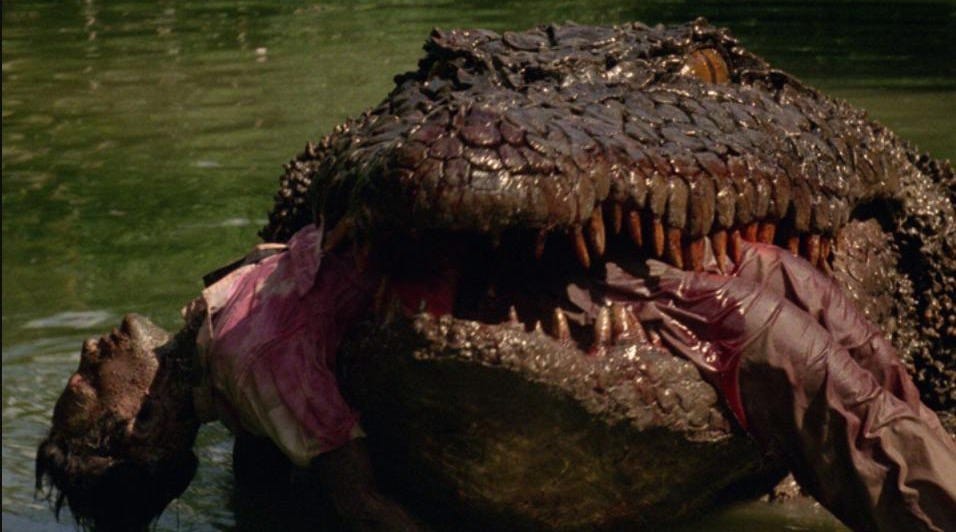
This classic Italian exploitation flick used the island’s dense, murky tropical swamps to simulate a toxic dumping ground. It turned the local landscape into the breeding ground for an unnaturally giant, man-eating reptile that hunts a group of visiting environmentalists. Filming a movie in the US or Europe with a giant mechanical crocodile requires heavy permits, union crews, and expensive environmental clearances. In the late 1980s, the Dominican Republic offered inexpensive local labor for building sets and moving heavy equipment, far fewer bureaucratic hurdles, and loose zoning laws regarding filming on public waterways, and cheap accommodations for the cast and crew. The lush, thick, and sometimes oppressive river networks near Santo Domingo provided the perfect visual grit. It gave the production dense mangroves and murky waterways that felt genuinely isolated and dangerous, creating an ideal playground for a massive, 100% practical-effects crocodile prop. However, reasons like this are why, in 2010, the Dominican Republic enacted Law No. 108-10 (the Film Industry Law). It was a direct response to this history of exploitation, creating strict legal frameworks, tax incentives, and mandatory local hiring quotas to ensure that foreign films must invest in the Dominican economy, respect its labor force, and help build a sustainable, domestic film industry.
The Homegrown Horror Reclamation
The real turning point in our cinematic history occurs when local Dominican directors finally step behind the camera to seize control of these exact same landscapes. Instead of using the island's terrain to satisfy an exoticizing outside gaze, homegrown filmmakers have sparked a thrilling horror renaissance by turning the camera inward. They weaponize the country's rural woods, isolated villas, and deep historical memories to explore psychological isolation and cultural truths. By centering stories around spiritual syncretism, local ancestral myths, and family curses, these creators are actively dismantling decades of Hollywood stereotypes. They prove that our folklore isn't a cheap gimmick for foreign consumption, but a complex, terrifying, and deeply personal reflection of our own history, autonomy, and identity.
Andrea: El fantasma (2005) - dir. Rogert Bencosme
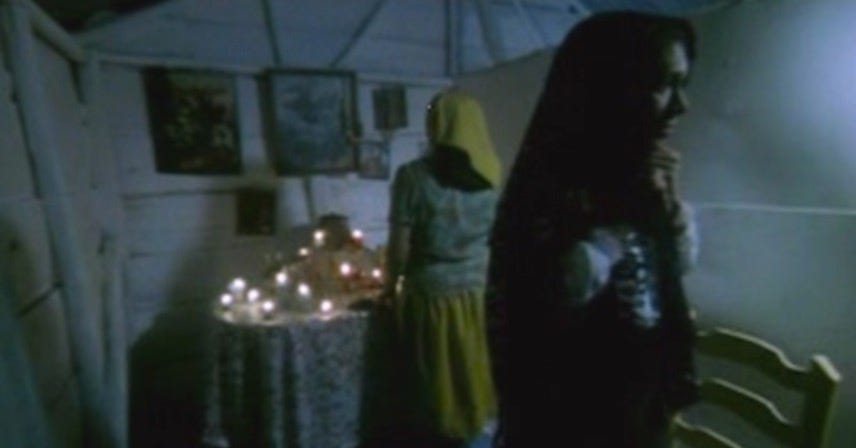
As the undisputed pioneer of homegrown Dominican horror, this grassroots indie blockbuster proved that local audiences were starving for genre stories rooted in our own spiritual syncretism, historical open wounds, and family curses rather than imported Hollywood tropes.
La Ciguapa Siempre (2021) - dir. Monica Suriyage
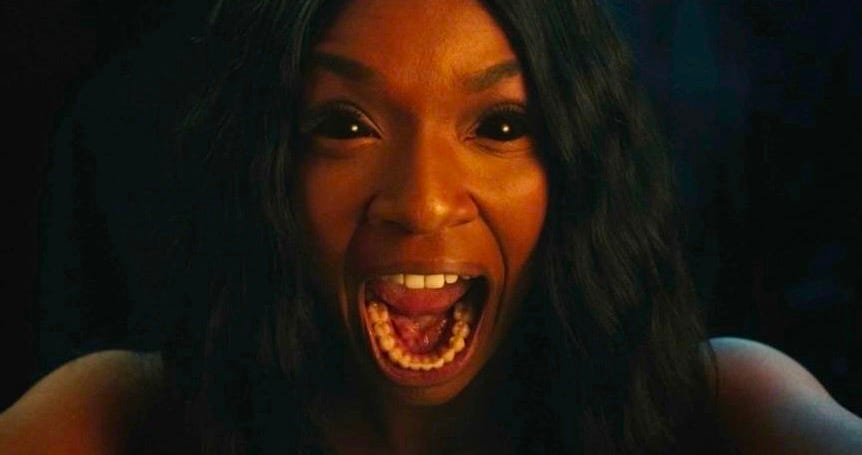
Represents the modern wave of folklore reclamation, taking the ancient myth of the backward-footed Ciguapa (historically a symbol of maroon and Taíno survival hiding in the mountains) and reframing her into a terrifying manifestation of female autonomy and rage against patriarchal violence.
No Salgas [Don't Come Out] (2026) - dir. Victoria Linares Villegas
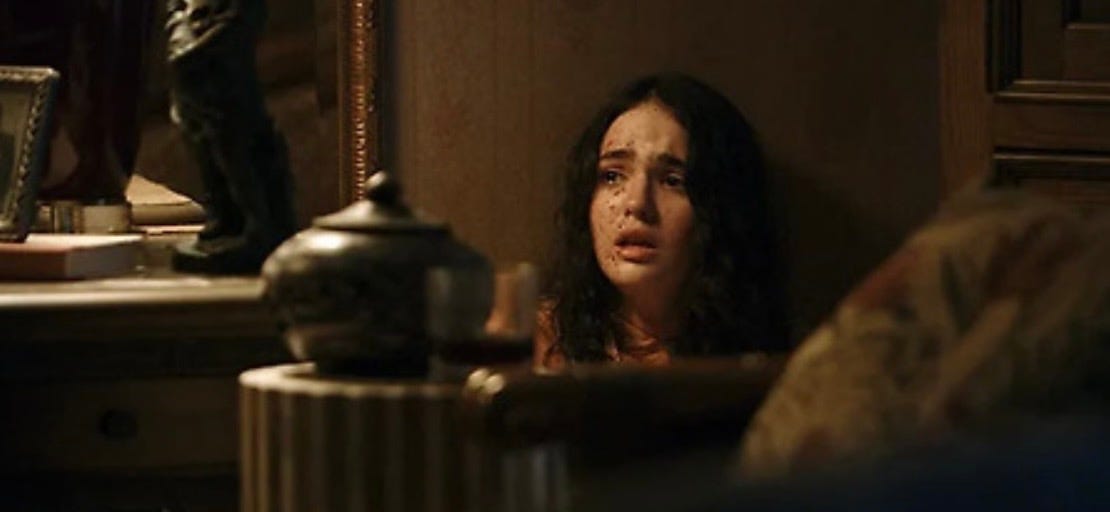
Striking a massive blow for representation, this is a groundbreaking lesbian horror movie that uses the genre framework to explore the suffocating, claustrophobic paranoia of being closeted in a highly heteronormative, conservative society. Following the mysterious murder of her secret girlfriend, Liz, a closeted university student, retreats to an isolated villa with friends, only to realize the group is being targeted by a malevolent, supernatural entity that literally preys on queer lives. Rather than resorting to traditional shock tactics, it crafts a slow-burn narrative about self-discovery, trauma, and coming of age, identifying the institutionalized hostility of family and "allies" as the ultimate source of terror.
Tracking Update: This is another major indie project I’ve been heavily tracking on the global circuit. Following up her documentary success, director Victoria Linares Villegas premiered this highly anticipated fiction debut earlier this year at the Berlinale. It has since traveled across the Atlantic, hitting major stops like the Miami Film Festival this spring, where it really got people talking about its blend of social realism and supernatural dread. I’m hoping it secures a New York festival or theatrical date soon.
Mainstream Footprints
To see exactly how far this artistic hustle has traveled, you only have to look at the massive global blockbusters dominating theaters today. Dominican representation has officially broken out of the background. For decades, our actors were relegated to nameless extras or flat, stereotypical background scenery. Today, our creative footprint is actively anchoring the emotional cores of massive, multi-million-dollar studio franchises. Whether it is through fiercely protective, culturally authentic Afro-Latina mother figures holding down the stakes of animated superhero universes, or local diaspora actors stepping into leading roles that dictate the course of mainstream narratives, our cultural identity is no longer invisible. We are no longer just providing the backdrop for someone else's story: our roots, our slang, and our protective instincts are actively driving the future of global cinema.
Spider-Man: Across the Spider-Verse (2023) - dir. Joaquim Dos Santos, Kemp Powers, Justin K. Thompson
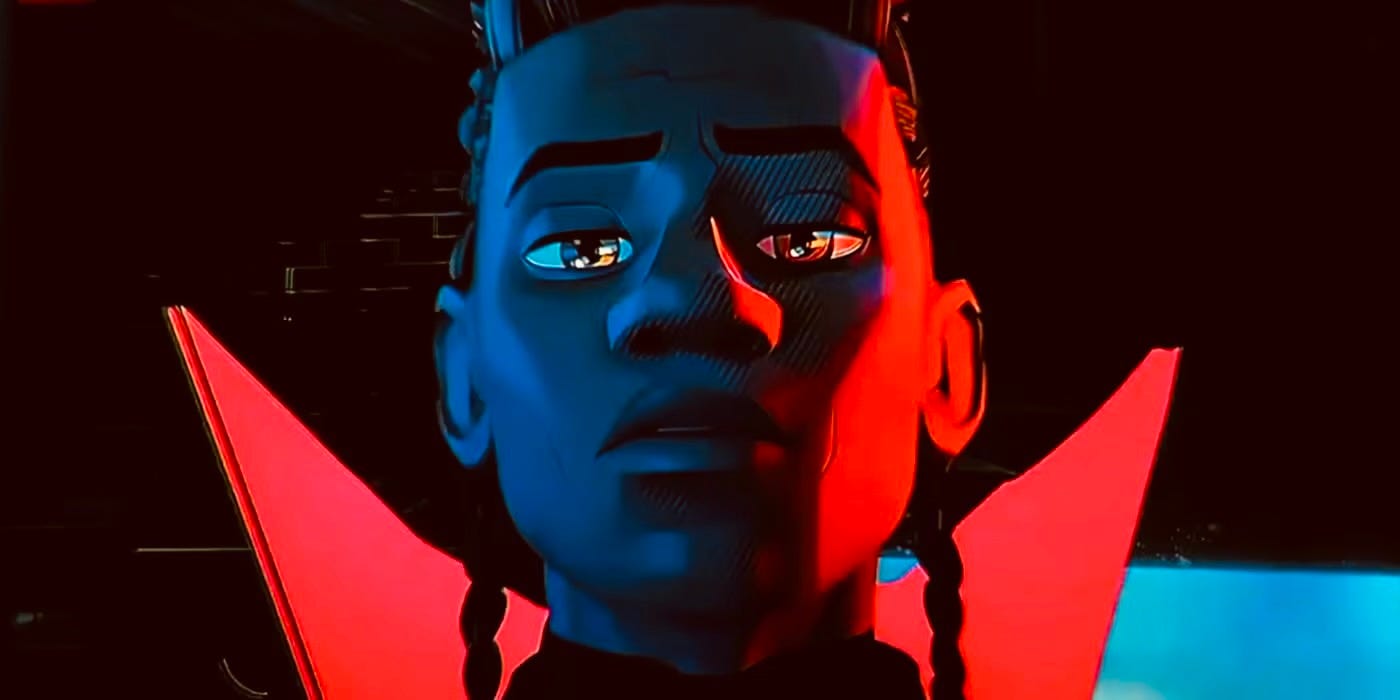
Dominicans aren't just holding down the emotional core of this multi-versal epic through Rio Morales (voiced by Lauren Vélez); our diaspora identity is also deeply embedded in the film's complex villainous dynamics. Miles Morales’s main antagonist, the formidable, multi-dimensional enforcer Miles G. Morales (Earth-42's Prowler), directly carries this heritage with Dominican actor Jharrel Jerome. By positioning our language, fiercely protective instincts, and complex urban duality at both the heroic foundation and the tragic, alt-universe adversarial force of the narrative, the film ensures our cultural identity completely dominates the landscape of modern superhero cinema.
From Washington Heights to the depths and corners of the island, Dominican cinema is bound by an unbroken thread of resilience, humor, and survival. We are a culture that refuses to be flattened into a stereotype or ignored. Whether we are fighting off monsters in New York, laughing through economic survival at a resort, reclaiming ancestral folklore, or anchoring massive global blockbusters, we are carving out an undeniable, powerful space in film history.
Happy Caribbean Heritage Month! 🇩🇴