July 6, 2026
Out of Their Minds: A Case on Institutional Commitment in Horror
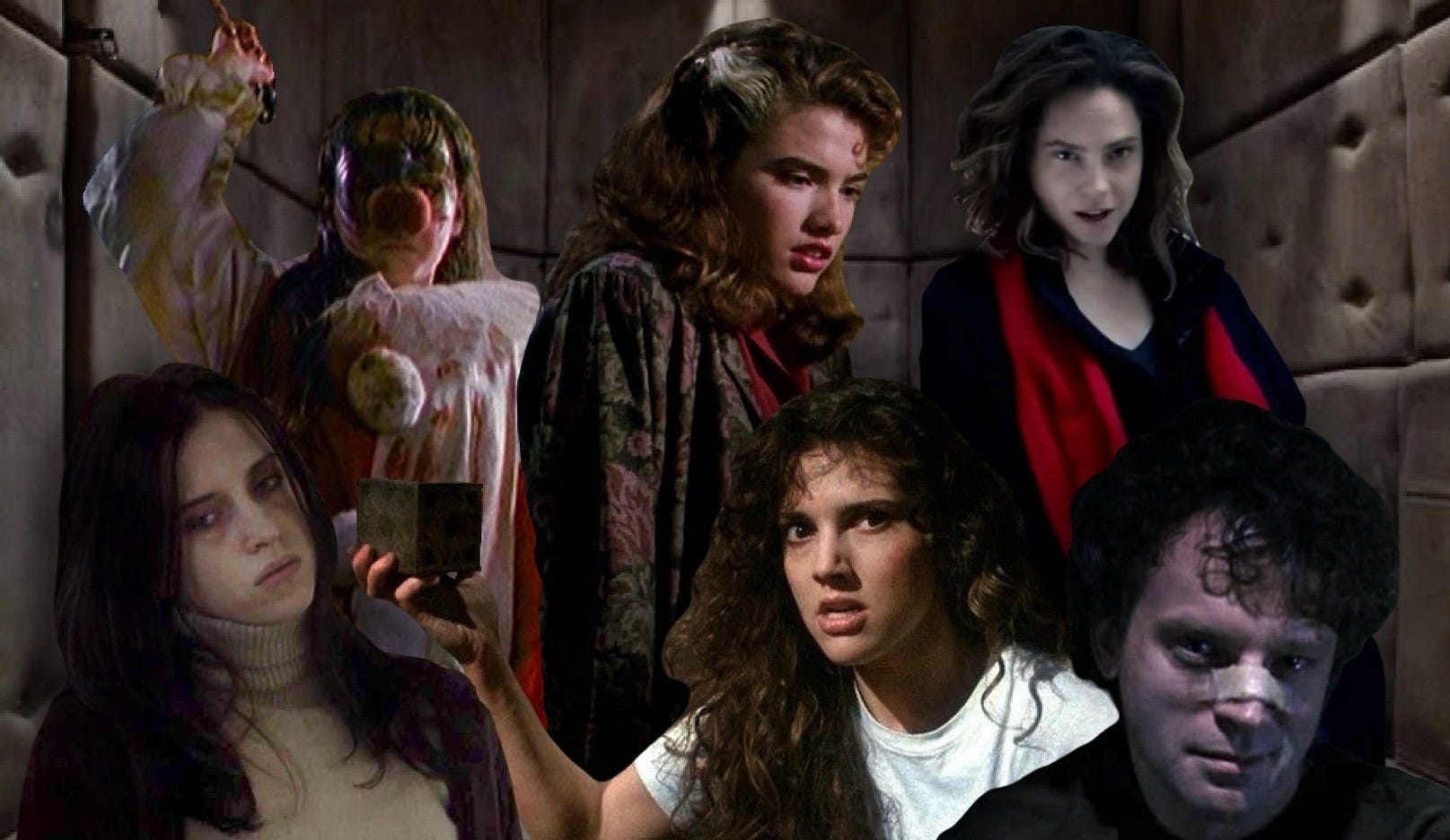
When a horror franchise drags itself into a third, fifth, or seventh movie, audiences begin to feel bored, and the installments start to feel repetitive. If you look at the sequels fans actually love, it’s the ones where characters are stripped of their credibility and placed inside an asylum.
I hit this realization while marathoning the Hellraiser franchise. Why do these specific asylum pivots click so well with fans and critics, even when the rest of the franchise is widely considered garbage?
I believe it comes down to creative risk. Most horror sequels fail because they copy-paste the original movie into a new setting. The asylum sequel forces the writers to become more inventive. By trapping the story inside a facility, these movies pulled off expanding the lore to cater to what fans actually want.
Movies like A Nightmare on Elm Street 3: Dream Warriors pioneered this type of installment, and fans love these specific sequels because they aren’t just lazy setting changes. They based the plot on the real-world anxieties of their eras. They subtly highlight the underfunded state hospitals of the 1980s de-institutionalization crisis all the way to the sterile, hyper-medicated manipulation of the 2010s.
We need franchises to be creative again, and the asylum trope allowed them to do that. It's a shame we don’t have more installments that take this kind of risk before the criticism begins. To analyze why these sequels are successful, I’m looking at how six horror franchises and the cultural context behind when their installment came out: A Nightmare on Elm Street 3: Dream Warriors, Hellbound: Hellraiser II, Halloween 5: The Revenge of Michael Myers, The Exorcist III, Ginger Snaps 2: Unleashed, and Cult of Chucky.
* BEWARE: SPOILERS AHEAD FOR THE FOLLOWING ENTRIES
A Nightmare on Elm Street 3: Dream Warriors (1987) - dir. Chuck Russell

The Cultural Context
To really get why these movies worked, you have to look at what was happening at the time. Between the 1960s and the late ‘80s, the US went through a massive wave of de-institutionalization. Decades of horror stories were finally coming to light (like forced lobotomies, severe over-medication, and horrific experimental electroshock therapy that people thought were helping them). By the time the 1980s hit, budget cuts and systemic neglect left these state-run hospitals completely crumbling and understaffed. The public was suddenly hyper-aware that the places meant to protect vulnerable people were doing the complete opposite.
Dream Warriors is a pioneer in this trope. It balances Freddy Krueger as a depraved, terrifying monster while still giving him the classic one-liners that fans love. Horror has always been known to reflect society’s current fears, and that is exactly what the writers chose to do. We follow our final girl, Nancy Thompson, in Westin Hills Psychiatric Hospital, where adult doctors use heavy sedation to dismiss the teenagers’ trauma. This struck a massive chord with ‘80s youth anxiety and tapped into the fear that the medical system didn’t care at all about them. The writers began to create a new narrative, one where trapping all the teens together backfires on Freddy. They soon realize they all have “dream powers,” and it allows them to form a unified front. By creating a psych ward installment, it gave Nancy real agency and turned A Nightmare on Elm Street from a supernatural slasher into a dark fantasy movie.
Hellbound: Hellraiser II (1988) - dir. Tony Randel
The Cultural Context
In the late 1980s, the panic around psychiatric care shifted a bit. It was about the terrifying, unchecked power of the people running these institutions. Society developed this deep distrust of psychological authority figures. People became obsessed with the fear that certified experts might actually be completely detached, untrustworthy, or simply malicious.
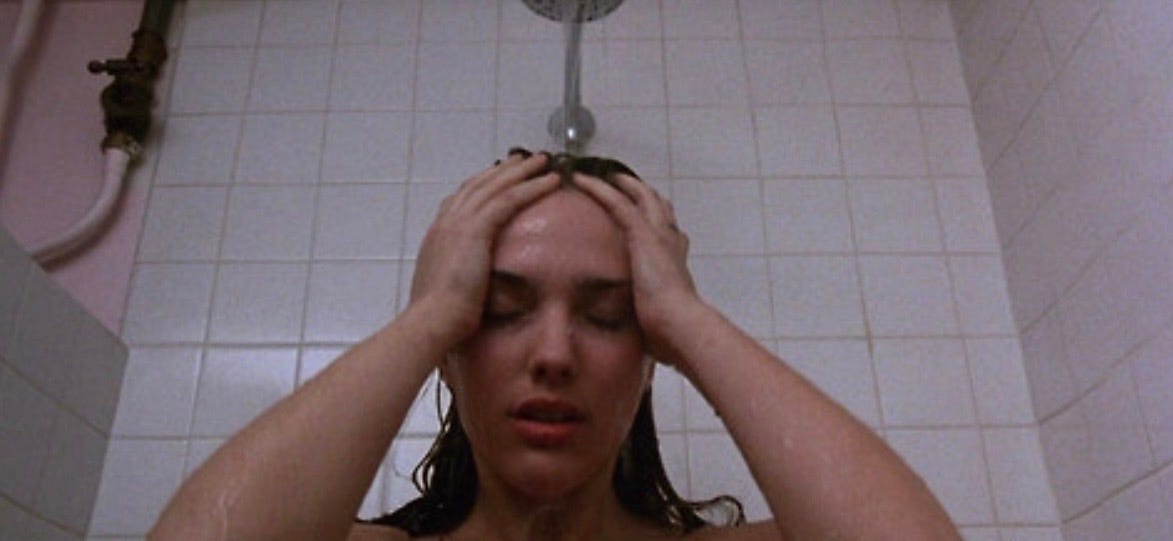
Picking up just hours after the first movie ends, Hellbound instantly swaps out the first movie’s house for the Channard Institute. The film does an amazing job expanding the Cenobites’ lore, and turning Julia into this skinless queen of the underworld makes the sequel feel like an essential second half to the original movie rather than a cheap cash grab. Instead of just making the body count larger, Hellbound goes big by leaning into the surrealism and taking us straight to Hell. It ties the dimensions and plots together by simply extending the plot past the original film instead of rewriting or replacing it.
Halloween 5: The Revenge of Michael Myers (1989) - dir. Dominique Othenin-Girard
The Cultural Context
By 1989, slasher movies were hitting a massive wall of audience fatigue. At the same time, the real world was struggling to deal with the fallout of all those asylum closures. Suddenly, society was forced to look at the reality of unaddressed trauma. It created this deep anxiety that medical institutions weren’t actually safe havens anymore, and that they were completely incapable of protecting or fixing vulnerable people.
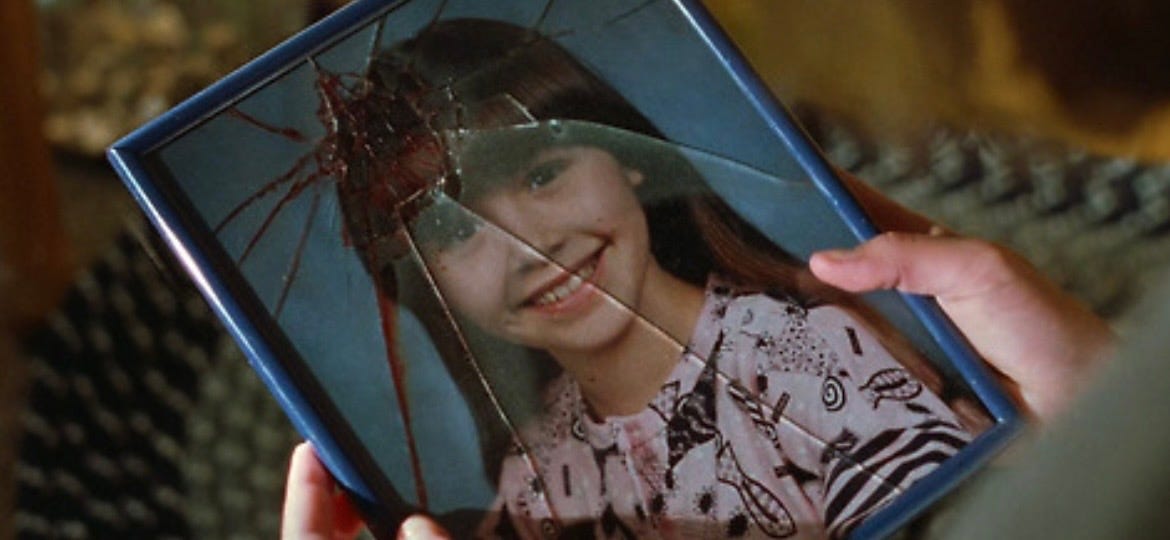
Picking up right after the explosive ending of Halloween 4, the writers placed a severely traumatized and mute Jamie Lloyd into the Haddonfield Children’s Clinic. On paper, it belongs on this list with the other asylum sequels of the era (and I am still including it). But while those other movies are universally loved for taking massive creative risks, Halloween 5 is still one of the most hated and divisive entries in the series because it completely fumbles the formula. Halloween 5 is the ultimate example of a wasted opportunity. Unlike Dream Warriors and Hellbound, the movie does absolutely nothing with its hospital setting. Instead of leaning into the terrifying claustrophobia of a locked ward or doctors who refuse to believe the kids, the clinic just acts as a waiting room for Michael Myers. It proves that you can’t just throw characters into a psych ward and call it a day; you actually have to use the hospital itself and advance the plot with higher stakes to make the story scary.
The Exorcist III (1990) - dir. William Peter Blatty
The Cultural Context
Between the late 1980s and early '90s, American media was obsessed with true crime and real-life serial killers (especially with Ted Bundy’s execution in 1989 and Jeffrey Dahmer’s arrest in 1991). The concept of the “criminally insane” sparked this massive public debate over whether high-security psych wards and the legal system were actually strong enough to lock away calculated evil.
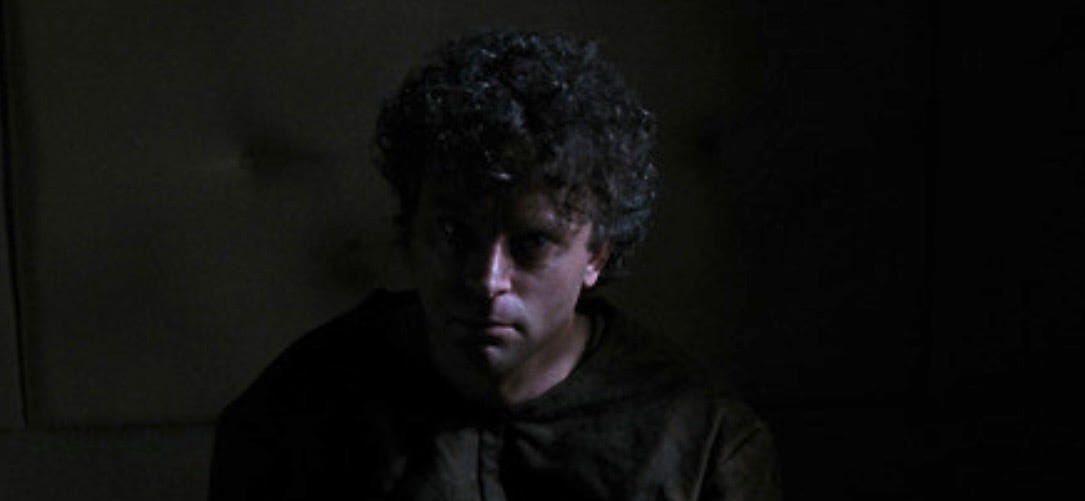
Instead of poorly copying the original film’s bedroom exorcism (the way the apparently disastrous Exorcist II did), author and director William Peter Blatty subverted this genre. He restructured this sequel as a gritty, atmospheric detective noir that just happens to have heavy supernatural undertones. Most of the movie takes place inside the maximum-security psych wing of a general hospital (featuring Brad Dourif [the voice of Chucky] as the institutionalized Gemini Killer). By trapping a demonic entity inside a catatonic serial killer locked in a cell, the film plays directly on those real-world fears of institutional failure. It made 1990 audiences question if the people locked away in these high-security wards are just sick or actively evil and completely unstoppable.
Ginger Snaps 2: Unleashed (2004) - dir. Brett Sullivan
The Cultural Context
In the early 2000s, the panic around mental health care shifted. It was now about the rapid, highly corporate rise of private rehab clinics. This was right around the time the modern prescription opioid epidemic was quietly starting to explode. Even as a kid growing up in this time, I remember how 2000s tabloid culture became relentlessly obsessed with the messy, public rehab cycles of young celebrities. Addiction treatment wasn't seen as a place to heal, and instead was treated as isolating public entertainment.
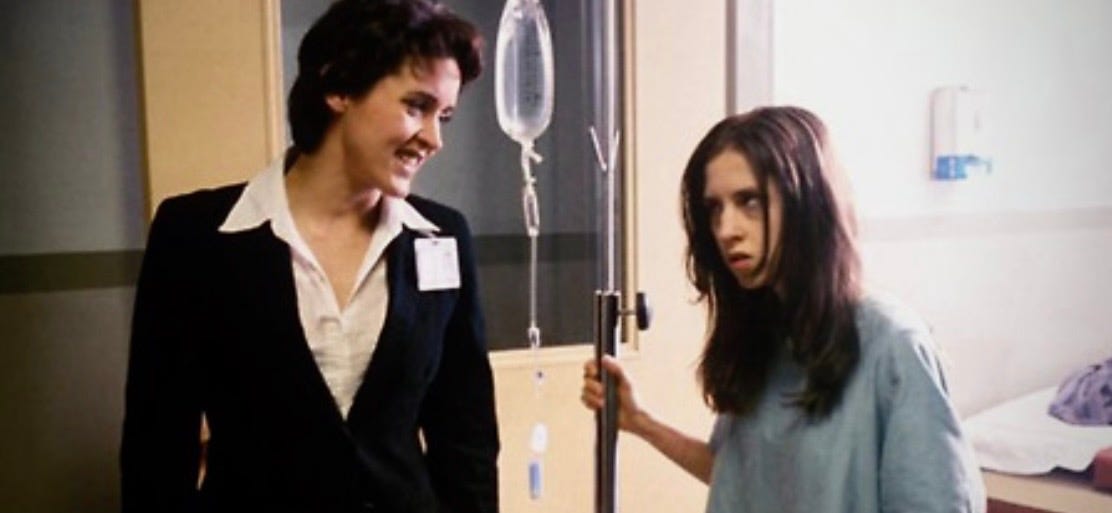
While the original Ginger Snaps is known for using werewolf rules as a metaphor for puberty, the sequel brilliantly pivots to addiction, medical manipulation, and how the healthcare system alienates young women. Brigitte gets thrown into this locked rehab facility where the staff completely dismisses her literal, physical monster transformation as simple drug withdrawal and psychological delusions. The place acts as a perfect allegory for predatory rehab culture (that patients lose all autonomy, get manipulated by counselors, and are actively exploited by staff). Horror sequels usually fall apart when they lose a main character, but even though we lost Ginger in the original, Unleashed pulls it off by introducing Ghost (played by a young Tatiana Maslany). She creates this chaotic sisterly bond with Brigitte that matches the grittiness of the original film as they navigate being locked away from the outside world.
Cult of Chucky (2017) - dir. Don Mancini

The Cultural Context
By the 2010s, cultural anxiety shifted toward institutional manipulation (which is exactly why Millennials and Gen Z get told we use the term “gaslighting” way too much). At the same time, private healthcare changed its aesthetics to a minimalist "wellness" vibe that, to a lot of people, feels sterile in the worst way possible. We've become hyper-aware of how corporations and authorities can completely dismantle a person's credibility. It’s interesting to watch modern horror highlight this shift, proving that what scares us now are these bright, wealthy corporate spaces.
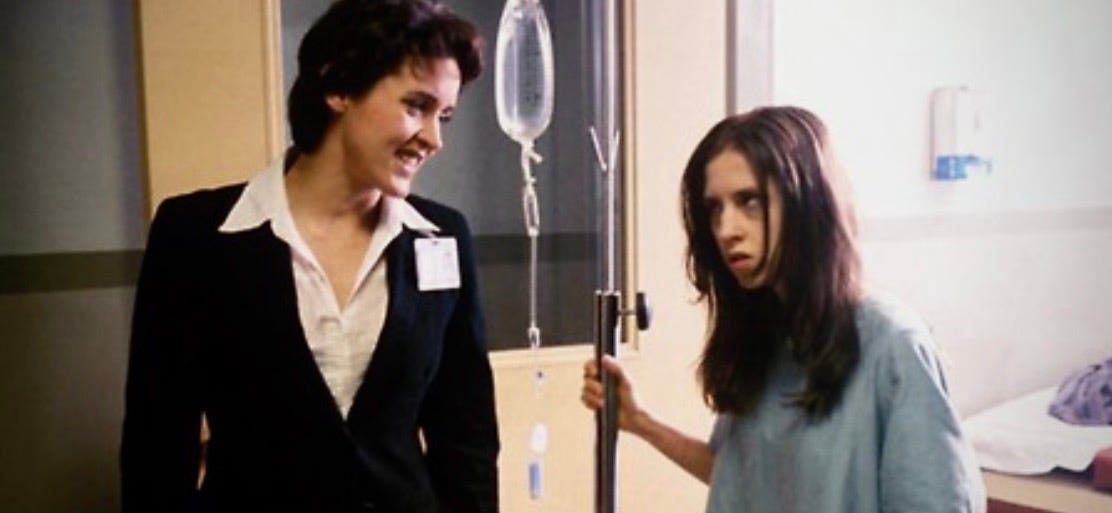
By the seventh movie, the Child’s Play franchise desperately needed to change things up. The Cult of Chucky asylum is evident in this change of aesthetics. It has a blindingly white, ultra-modern psych hospital look. Trapping Nica, a paraplegic protagonist, inside this sterile environment instantly strips away her mobility and makes Chucky feel like a terrifying threat all over again. Writer and director Don Mancini used this setting to introduce a voodoo spell that lets Chucky possess multiple dolls at once. From there, the horror becomes entirely psychological. The villainous Dr. Foley uses a replica “Good Guy” doll to gaslight Nica, convincing her that the brutal murders around her are just a result of her own severe psychosis. Having multiple killer dolls running around in a clean, locked, corporate medical space captures that modern fear of institutional power and how easy it is for vulnerable patients to be completely disbelieved.