July 12, 2026
Get Out is a Zombie Movie
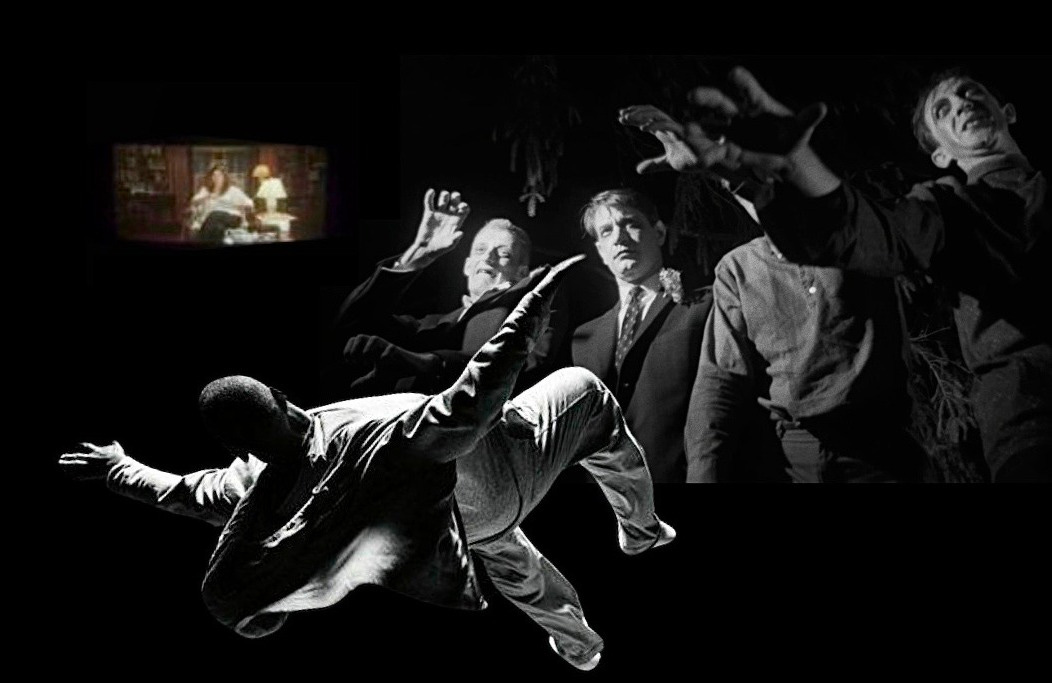
When Jordan Peele’s Get Out dropped in 2017, everyone rushed to label it a “psychological thriller” or “social horror.” And sure, it’s both of those things. But if you look past the obvious, Get Out starts looking like a textbook zombie movie.
Back in the 1930s and 40s, old Universal and RKO films were already brushing up against the monster's true origins. Movies like Victor Halperin’s White Zombie (1932) and Jacques Tourneur’s I Walked with a Zombie (1943) didn’t feature flesh-eating ghouls. Instead, they drew heavily from William Seabrook’s 1929 book The Magic Island, where Seabrook traveled to Haiti, became the first Westerner to write about Haitian zombification, and introduced Western pop culture to the sensationalized, dark concept of the zombie. This idea portrayed the zombie as a living person stripped of their soul, paralyzed in a hypnotic trance, and reduced to a mindless, submissive laborer.
For a long time, these films felt like a distant era of horror history. But after taking a class in college called The Zombie: Living and Dead Labor in Modernity, I realized the true, deeply systemic background of the zombie, and it completely changed how I watch modern horror. It made me realize that the original folklore of the undead still holds massive influence over modern movies, whether we as the audience or even the filmmakers explicitly realize it or not.
When you look at Get Out through that specific historical lens, Chris isn’t just the subject of a socio-political horror movie, but instead directly subjected to zombification.
The Slavery Metaphor: Haitian Vodou, Zombification, and Forced Labor
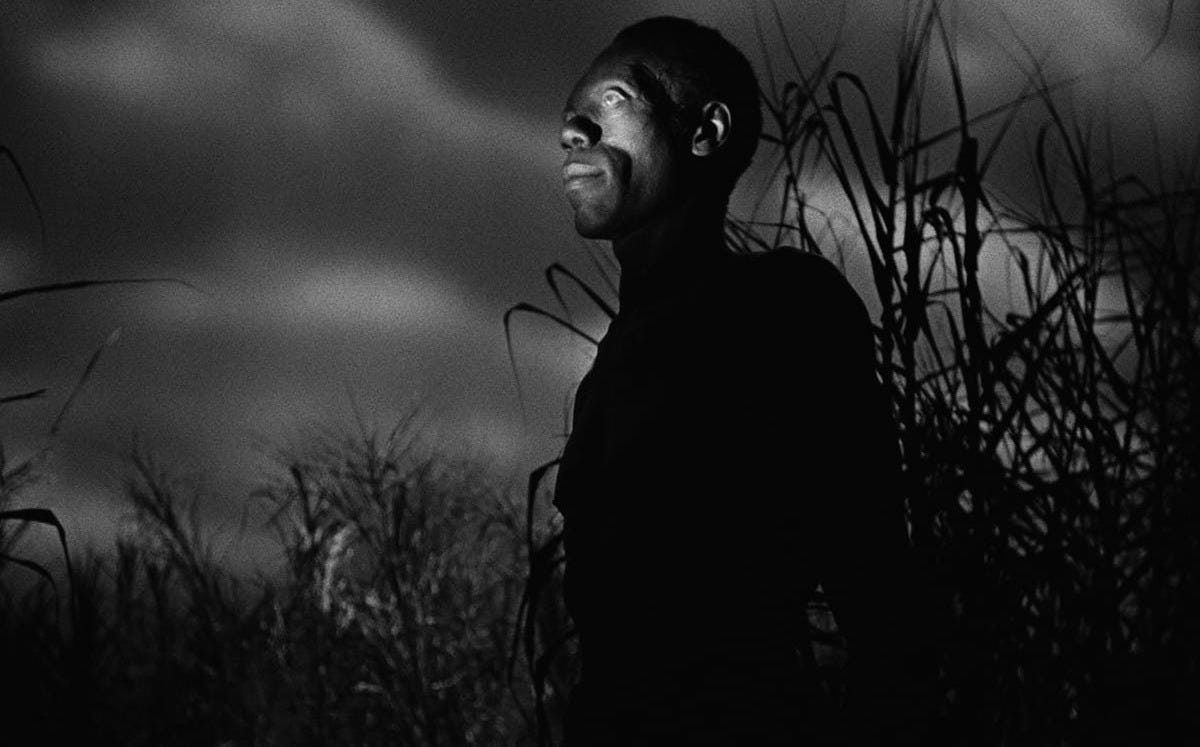
When most people think of a zombie, they picture a rotting corpse craving brains; a trope we can thank Dan O’Bannon’s The Return of the Living Dead (1985) for popularizing. But the word zombie actually traces back to Creole and West African Bantu legends, heavily tied to Haitian Vodou folklore. Historically, a zombie wasn’t the product of a viral pandemic like in 28 Days Later or Shaun of the Dead. It was a living person spiritually captured, hypnotized, and brainwashed by a bokor (a sorcerer) to become a completely mindless servant.
In Haitian folklore, becoming a zombie was feared far more than actual death. Dying meant your soul could finally return to Lanmè Lafrik (the mythical African homeland) and be free from the horrors of slavery. Zombification, on the other hand, meant eternal captivity. It meant having your soul stolen and your physical form forced into a life of forced labor. The folklore zombie is a direct reflection of the psychological trauma of slavery.
Get Out goes straight back to these agonizing roots of commodification. Through Missy Armitage’s silver-spoon hypnosis and the family’s “Coagula procedure,” victims like Walter, Georgina, and Andre are stripped of personal autonomy. They aren’t dead, but they are entirely mindless, unresponsive to their past lives, and trapped performing domestic work and manual labor for their white captors. They are the epitome of Haitian zombies, built on a system that harvests Black bodies purely for white profit and personal gain.
“The Sunken Place” Mimics the Living Trance: A Fate Worse Than Death
Every zombie movie relies on that agonizingly thin line between life and death. It’s why characters in The Walking Dead or Night of the Living Dead always hesitate to pull the trigger on reanimated loved ones. With the body still moving, a part of them hopes the person is still in there. But anyone who watches enough horror knows that movement doesn’t mean aliveness.
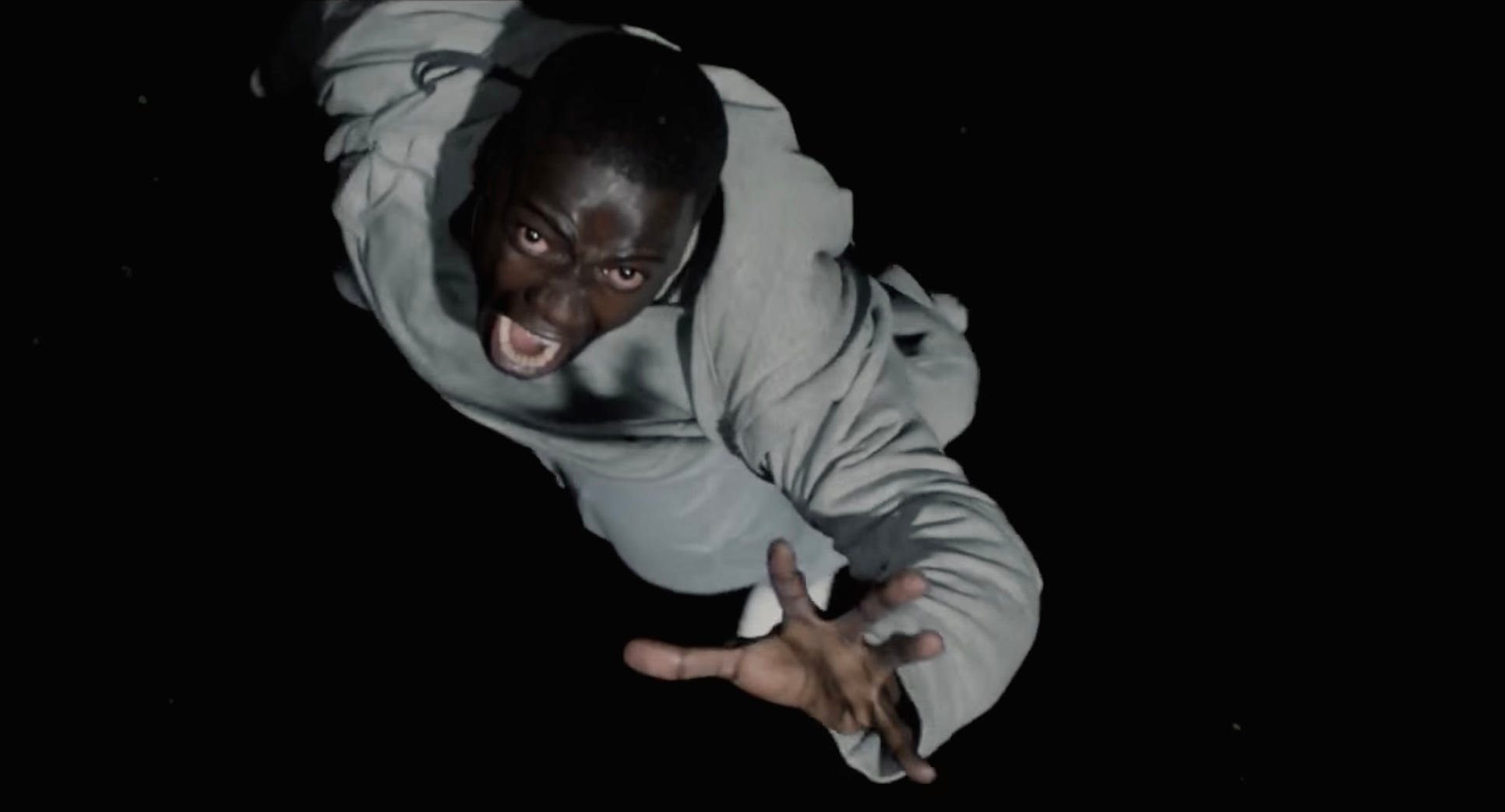
Peele captures this exact limbo through the Sunken Place, mirroring traditional zombie lore. In old Vodou folklore, a zombified person wasn’t a braindead corpse; they were believed to be fully conscious, just trapped. They knew exactly what was happening to them, but they were entirely paralyzed while their bodies were driven by the bokor.
When Chris gets hypnotized, his mind drops into that dark void, forcing him to watch his own life from behind his eyes. He hasn’t lost consciousness; he’s lost agency. That’s the nightmare for every victim in the film. They walk around, smile, and complete tasks, but their autonomy is completely gone. It hits right at the core of that original folklore terror: you aren’t dead, but you aren’t allowed to be alive either. Being a ghost trapped in a body that someone else owns is infinitely worse when death is thought to be the ultimate escape.
Subverting the Ultimate Zombie Climax: Get Out vs. Night of the Living Dead
* SPOILERS FOR NIGHT OF THE LIVING DEAD BELOW
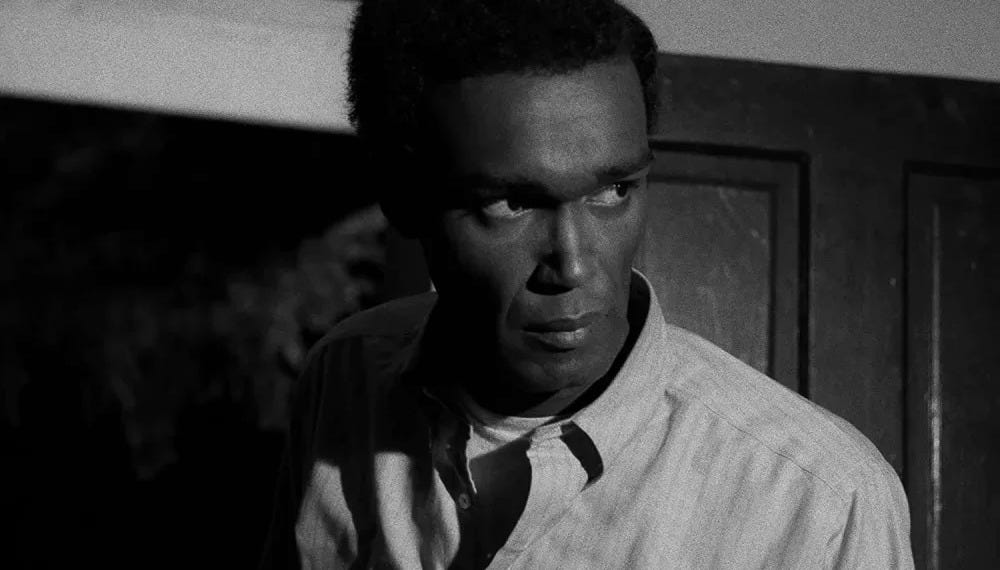
Where Get Out solidly cements itself in the zombie canon is its climax, which directly confronts and subverts the most devastating ending in horror history: George Romero’s 1968 masterpiece, Night of the Living Dead.
Think back to Ben, the Black protagonist of Romero’s film. He does everything right, survives the night against a horde of ghouls, only to be shot through the head the next morning by a white vigilante posse who “mistake” him for a zombie. Ben survives the night only to be destroyed by American racism. Peele has been incredibly direct about this influence, noting in interviews that he wanted to take on the task of exploring race through horror (something that hadn't been done so overtly since Romero did it nearly fifty years prior).
In fact, Peele originally filmed a bleak, alternate ending specifically designed to mimic Romero’s classic gut-punch. In that version, Chris is instantly handcuffed, thrown in jail, and swallowed by the prison-industrial complex. Peele explained that he initially wrote this script during the Obama era as a reality check against the naive myth of a “post-racial America.” He wanted to deliver the same visceral sucker-punch that Romero gave audiences with Ben’s fate.
But by the time the crew was finishing the film, the cultural landscape had shifted. With the rise of the Black Lives Matter movement and intense public awareness surrounding real-world police violence, Peele realized the audience was already living it and didn’t need a depressing reminder of systemic trauma, but needed catharsis.
So, Peele pulled off the ultimate subversion. Instead of letting the flashing lights signal Chris’s doom, the door opens and out steps Rod, his TSA best friend. By replacing white authority figures with Black community support, Peele breaks the brutal cycle started by Romero in 1968. While Peele hasn’t publicly commented on the deeper Haitian Vodou parallels, his handling of the climax proves he knows exactly how the zombie archetype operates. He honors the genre’s radical past while rewriting its future.
Get Out strips the zombie subgenre right down to its roots and digs into the real psychological terror of the myth. It's the horror of losing your absolute autonomy, being trapped in a system of forced labor, and realizing the entire world is structurally rigged against you.
Give Get Out a rewatch with all of this in mind. When you look past the modern thriller labels and track how perfectly Peele channels everything from Haitian Vodou to Romero’s bleakest commentary, it changes the entire experience of the film. It's time to recognize it for what it actually is: one of the absolute best, most radical zombie movies of our generation (even if it never got the label).