April 17, 2026
A Masterclass in Meta Horror
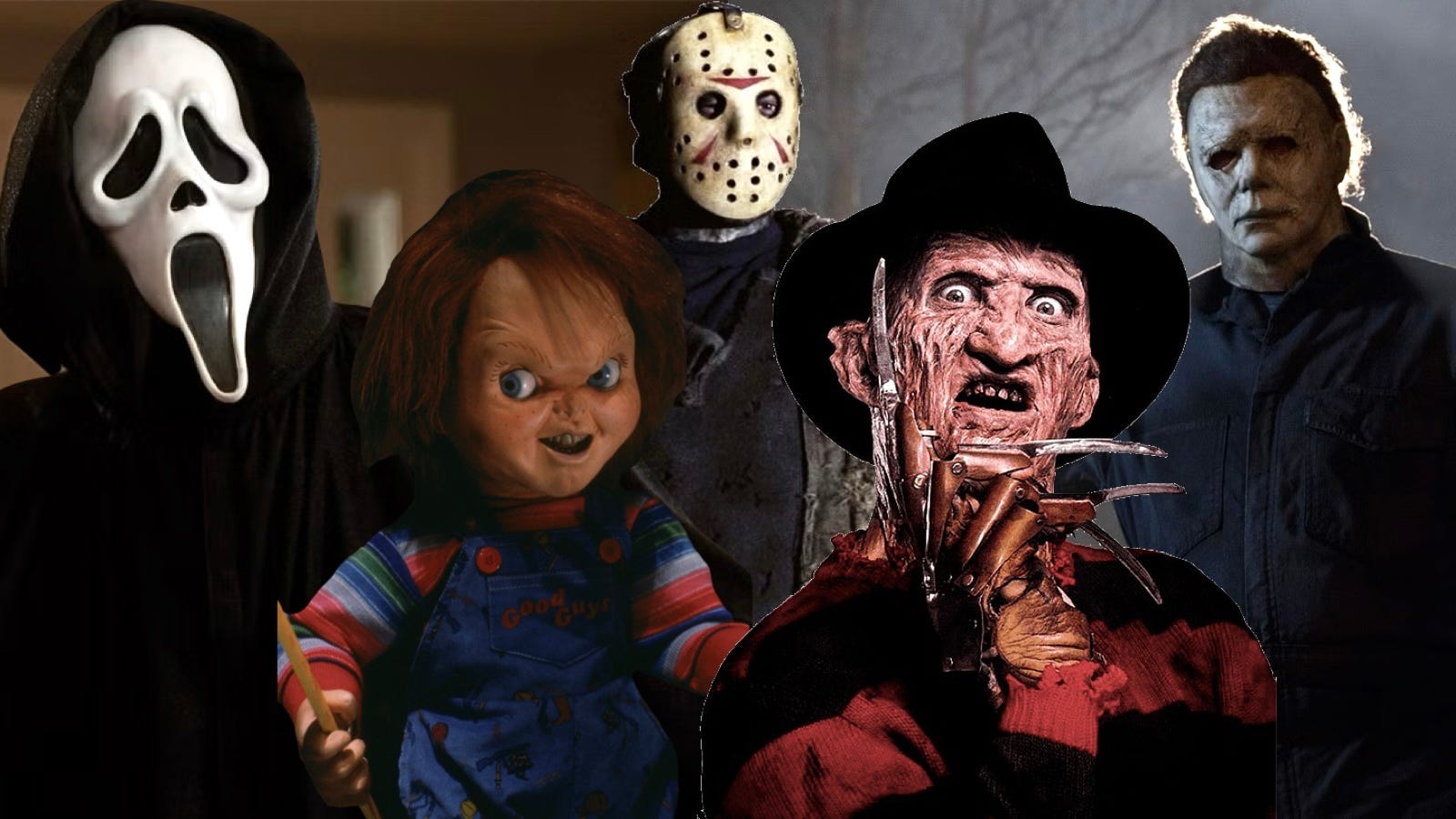
Some of the genre’s biggest franchises survived by leaning into the “meta.” That self-referential space where the characters finally realize they’re trapped by cinematic rules. By acknowledging the audience’s expectations, these entries didn’t just break the fourth wall; they rewrote the script. Because of Scream popularizing “being meta,” the landscape of horror changed forever, and I’m looking at how that self-awareness bled into the franchises that defined the genre. To celebrate this legacy, I’m selecting the single most reflexive entry from each of the heavy hitters: Scream, Friday the 13th, A Nightmare on Elm Street, Halloween, Child’s Play, and Final Destination to see how they turned the camera back on us fans.
** BEWARE: SPOILERS AHEAD FOR THE FOLLOWING ENTRIES
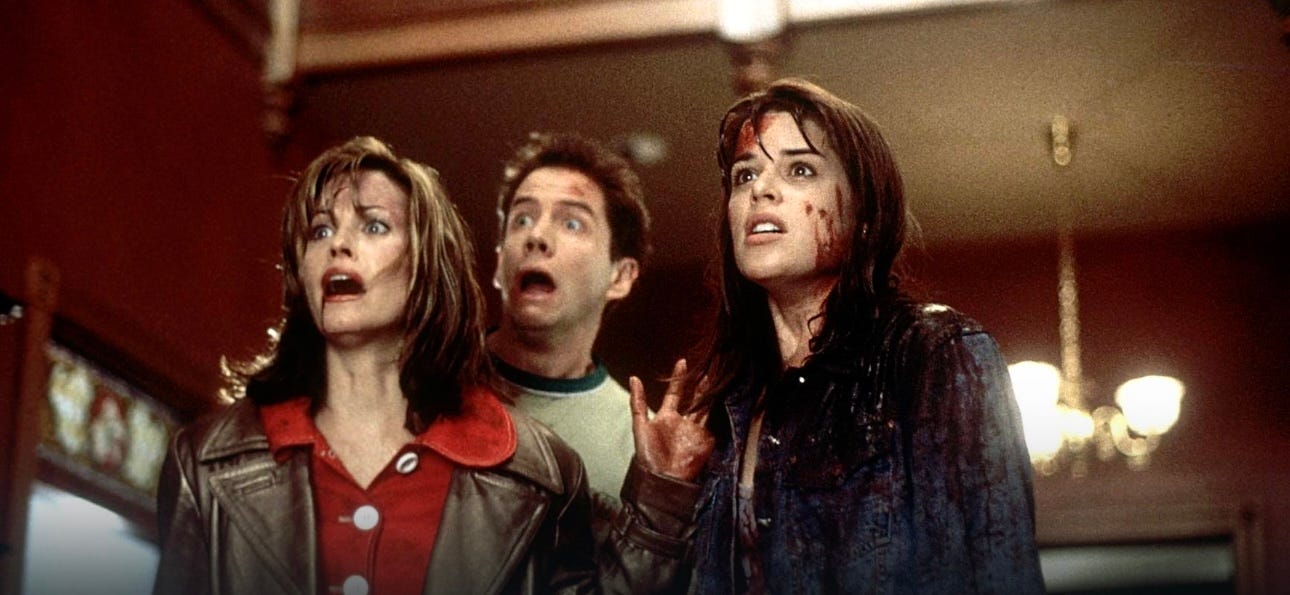
Scream (1996) - dir. Wes Craven
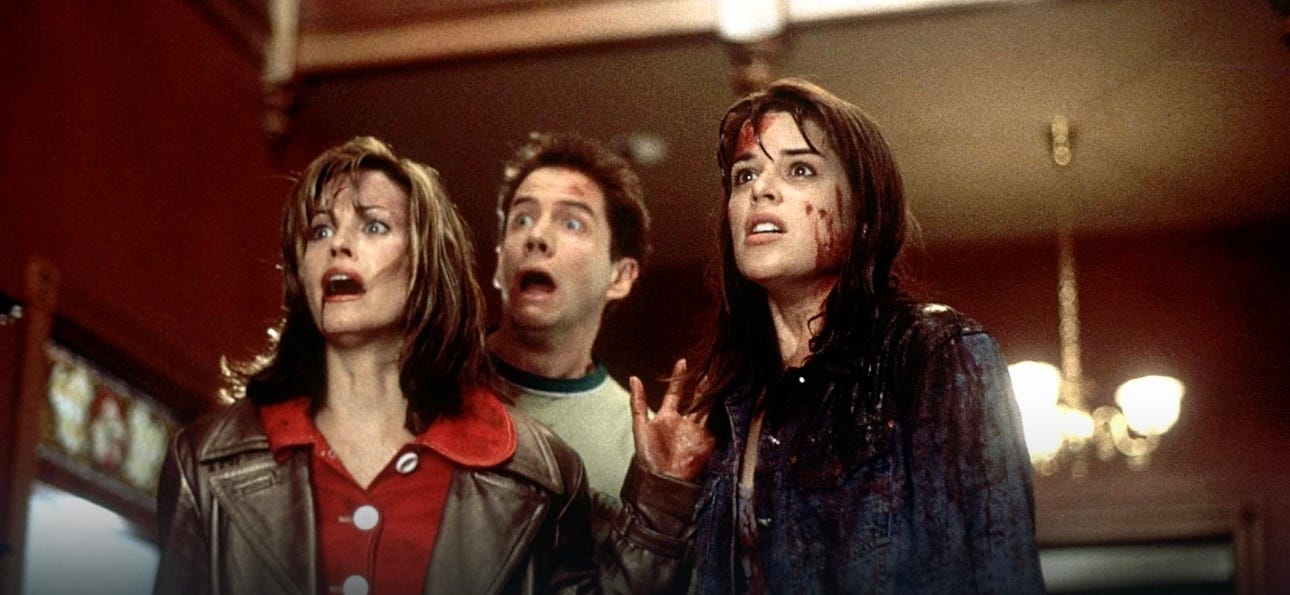
META METER: ★★★★☆ (4/5)
While every entry in this franchise is built on meta-commentary, what is usually cited as an ‘original’ remains the most vital. Scream didn't just reference horror movies; it established a world where the characters have seen the same films we have. By treating slasher "rules" as literal survival tactics, Ghostface turned the audience’s genre knowledge into a lethal game of trivia.
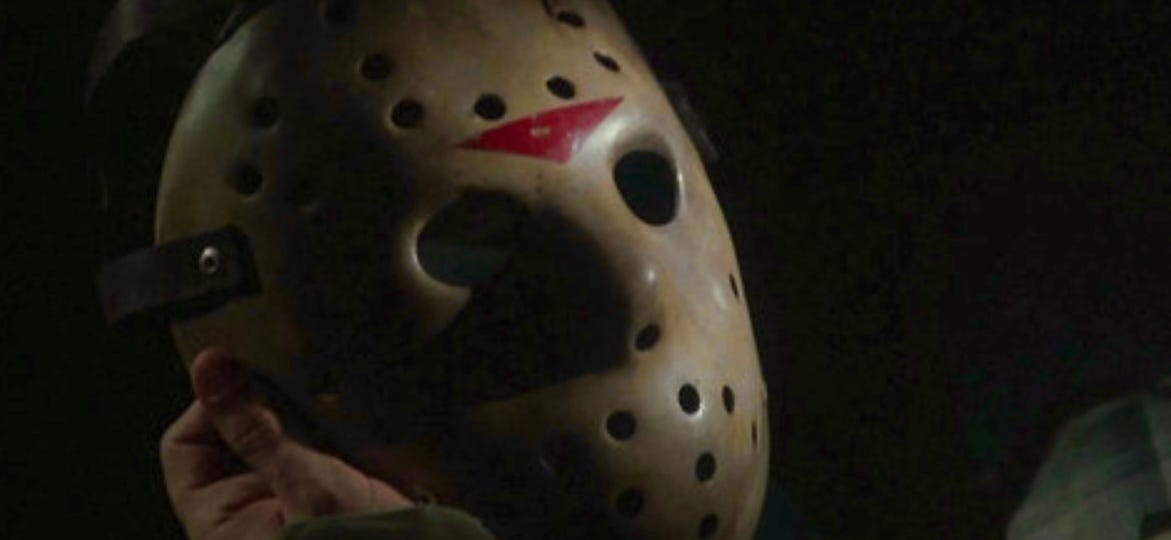
Friday the 13th Part VI: Jason Lives (1986) - dir. Tom McLoughlin
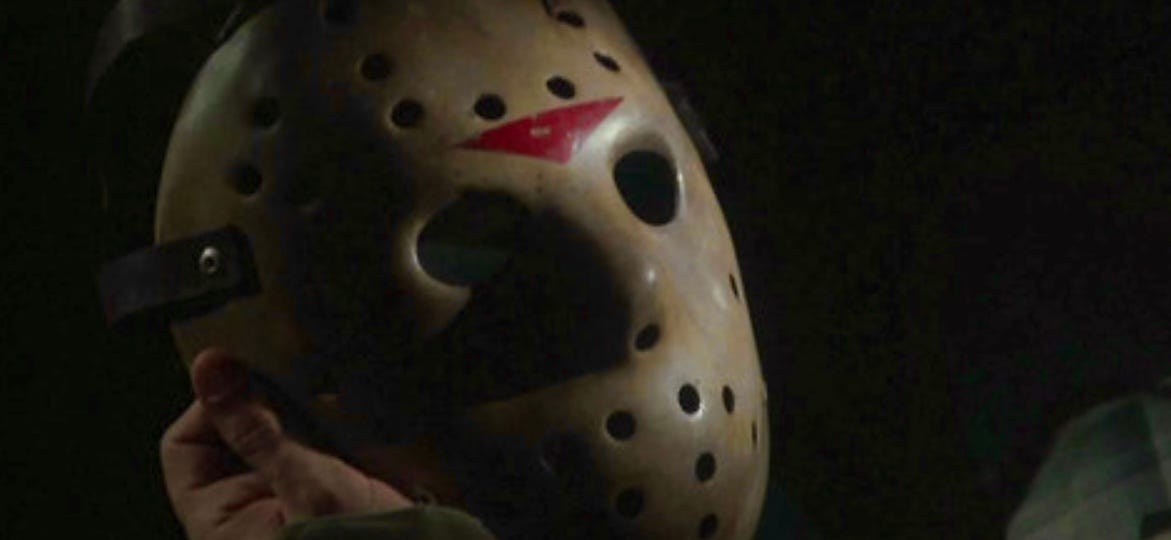
META METER: ★★★½☆☆ (3.5/5)
Of course, I had to pick this installment of Jason, especially when it came out a decade before it was cool to be “meta.” It has genre-literate characters, a James Bond-style opening, and wink-and-nod gags that make this a franchise favorite. It was one of the first to laugh about its own ridiculous continuity. After the backlash to the Jason-less Part V, the director used this self-aware humor to reboot the series into something more playful (which clearly gained positive reception). Jason Lives proved that a slasher movie could be just as smart and just as funny as it was brutal.
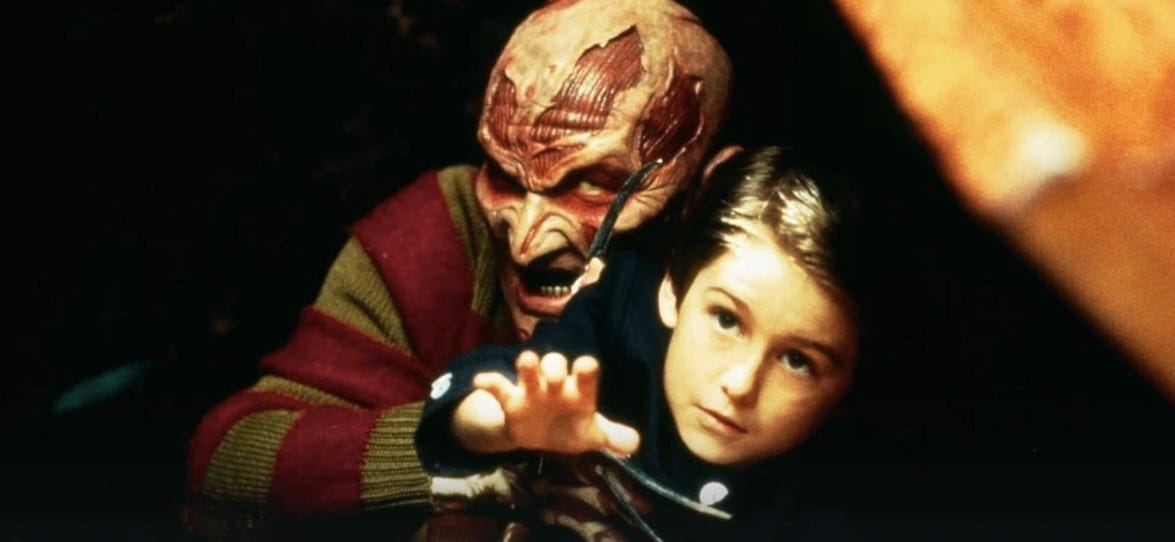
Wes Craven’s New Nightmare (1994) - dir. Wes Craven
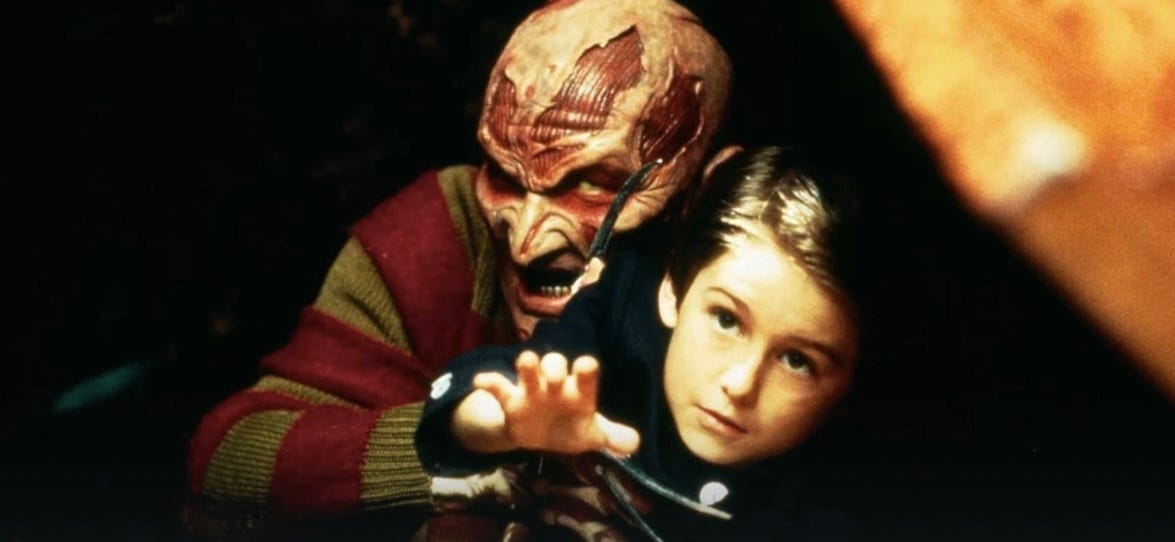
META METER: ★★★★★ (5/5)
This is absolutely the most meta entry on this list. Original stars Heather Langenkamp (Nancy) and Robert Englund (Freddy) play fictionalized versions of themselves. Even director Wes Craven and New Line Cinema founder Robert Shaye appear as themselves. The plot centers on Wes Craven writing a script for a new Nightmare movie based on his own real-life nightmares. As the film progresses, the script he is writing becomes the very movie the audience is watching. Wes Craven deconstructed the industry itself by bringing Freddy Krueger into the “real world.” By having the main characters (the original cast) play themselves, this entry blurred the lines between cinema and reality. Unlike standard sequels, this version of a “meta” installment makes it so that the Nightmare franchise is a set of movies for our characters, just like how they are in our world.
Halloween H20: 20 Years Later (1998) - dir. Steve Miner
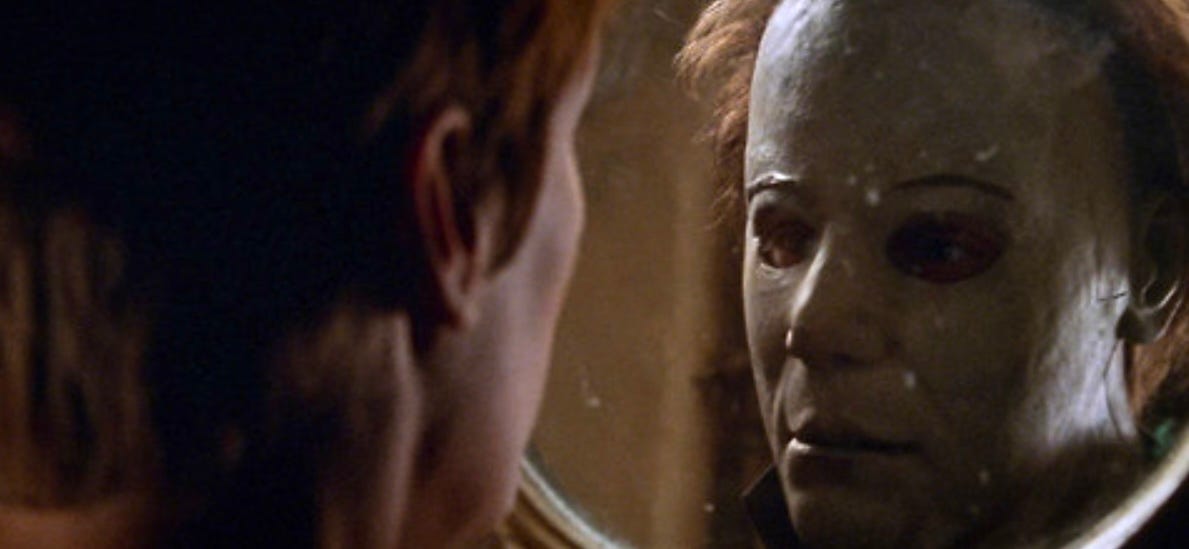
META METER: ★★★☆☆ (3/5)
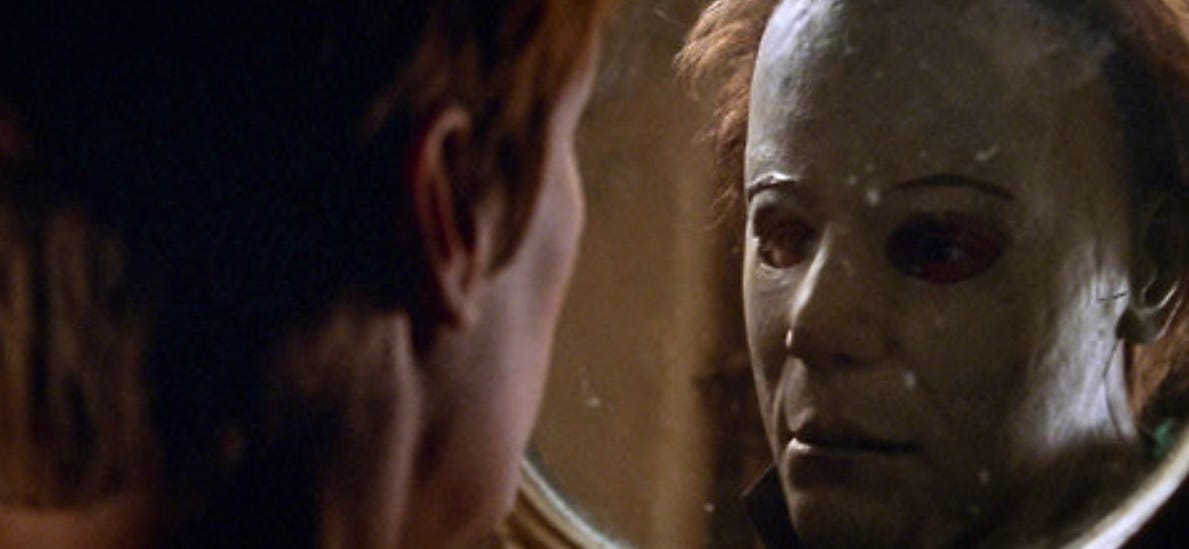
Behind the original, this is my favorite Halloween installment. I was originally debating between Halloween: Resurrection and H20 for this article, but I ultimately came to the conclusion that Resurrection was a campy misstep that relied on dated early-2000s cameos while H20 acted as a love letter to slasher fans with horror history knowledge. Released in the wake of the Scream boom, Halloween: H20 is the most trope-conscious chapter in Michael Myers’ history. It brings back Jamie Lee Curtis to confront her trauma while layering in reflexive nods, i.e., casting her real-life mother, Psycho star Janet Leigh, in a role that cheekily references the film that started the slasher craze. By incorporating the sleek, self-aware energy of the late '90s, the film turned the "Strode vs. Myers" legacy into a cinematic event that was as much about the history of horror as it was about the scares.
Seed of Chucky (2004) - dir. Don Mancini
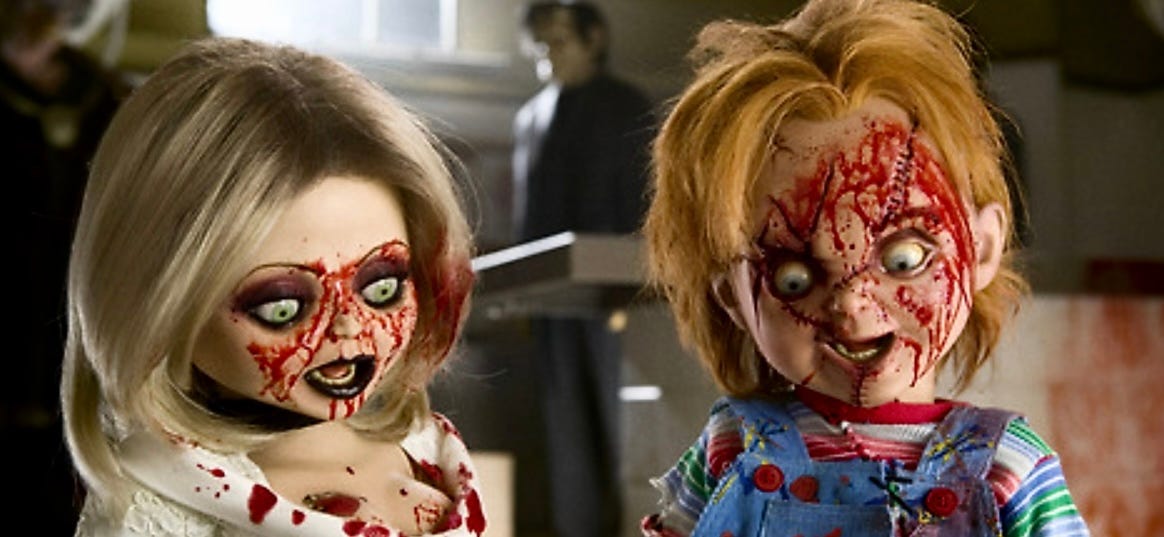
META METER: ★★★★½☆ (4.5/5)
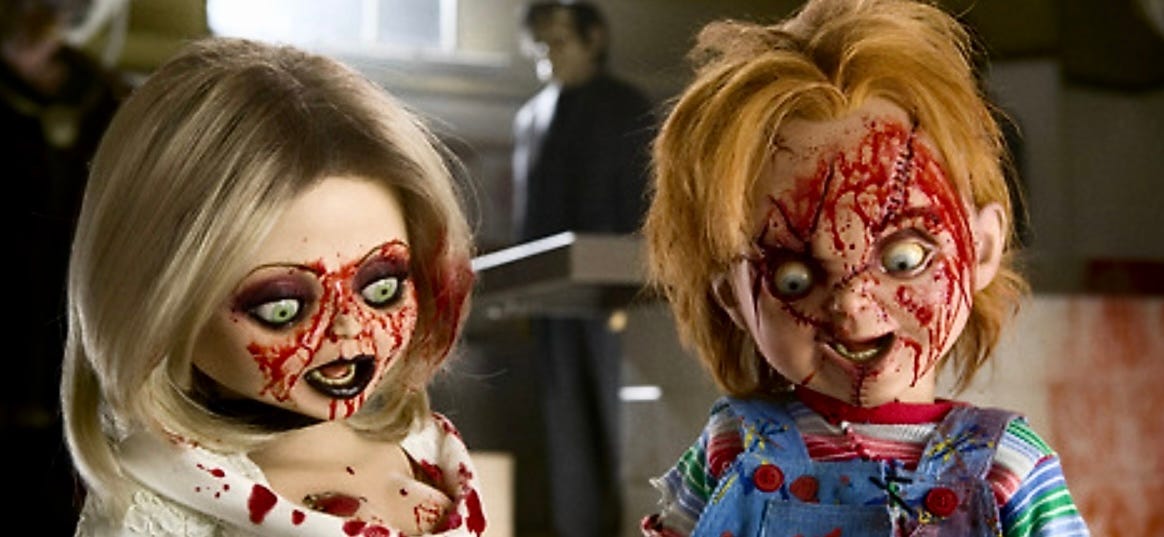
Seed of Chucky is the peak of horror-camp-meta. This film centers on a Hollywood production called Chucky Goes Psycho, a Hollywood film based on the “real-life” Chucky murders from the previous movies. We see the actors, the sets, and the animatronics used to “fictionalize” the very characters we are watching. Jennifer Tilly plays a desperate, fictionalized version of herself alongside the voice of Tiffany, which mocks everything from celebrity obsession to the franchise’s own transition from straight horror to surreal satire. There is even a cameo by cult director John Waters as a sleazy paparazzo, jokes about Chucky being a "brand,” and the character of Glen/Glenda that adds another layer of meta-commentary. This is the movie to watch if you want one that constantly reminds you that you are watching a piece of entertainment that knows exactly how ridiculous it is.
Final Destination 5 (2011) - dir. Steve Quale
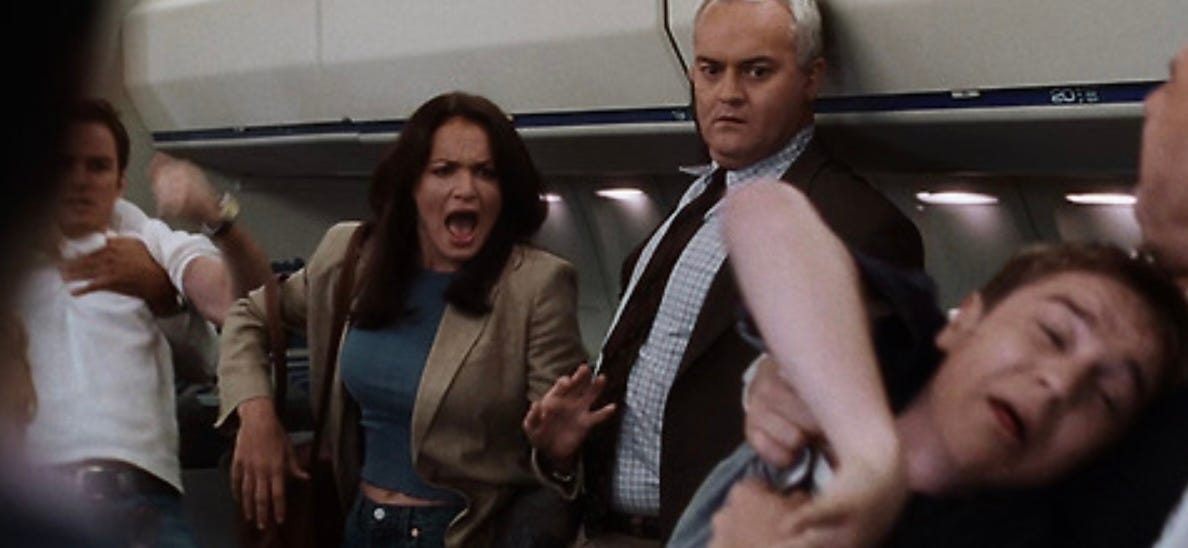
META METER: ★★★½☆☆ (3.5/5)
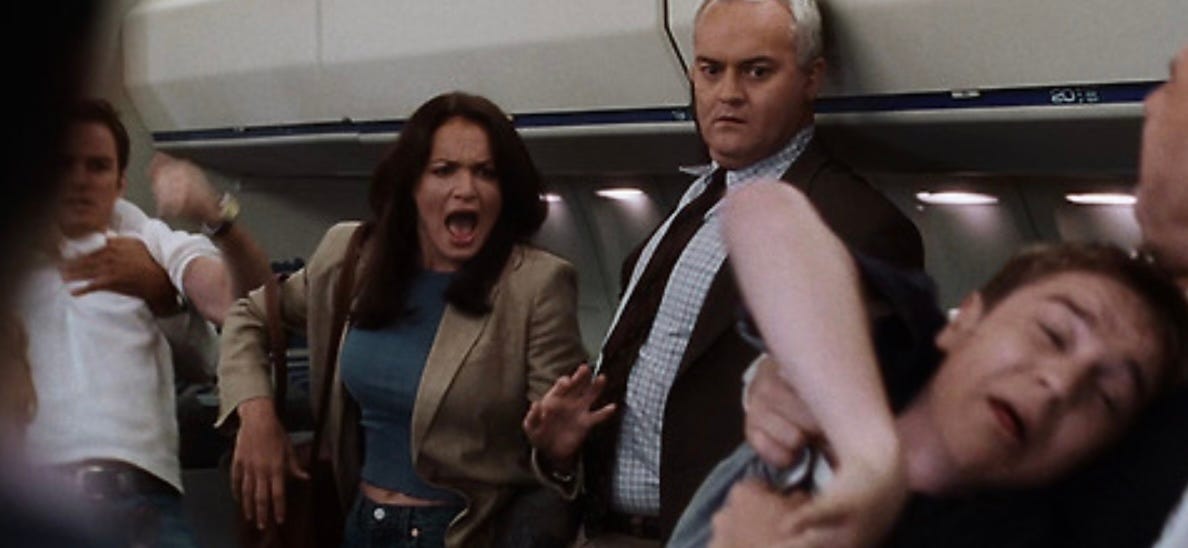
While the series is known for its inventive carnage, the fifth entry is a masterclass in weaponizing the viewer's own franchise knowledge. By functioning as a stealth prequel, it utilizes our familiarity with the timeline to pull off a massive chronological "gotcha" that loops back to the original 2000 film. It is the ultimate deconstruction of the series' internal logic, proving that no matter how well you think you’ve figured out the design, Death is always one step ahead in a perfect, inescapable circle.